Doctor of Optometry
Overview
Job Growth
N/A
Duration
N/A
Avg. Salary
N/A
Career Paths
N/A
Program Description
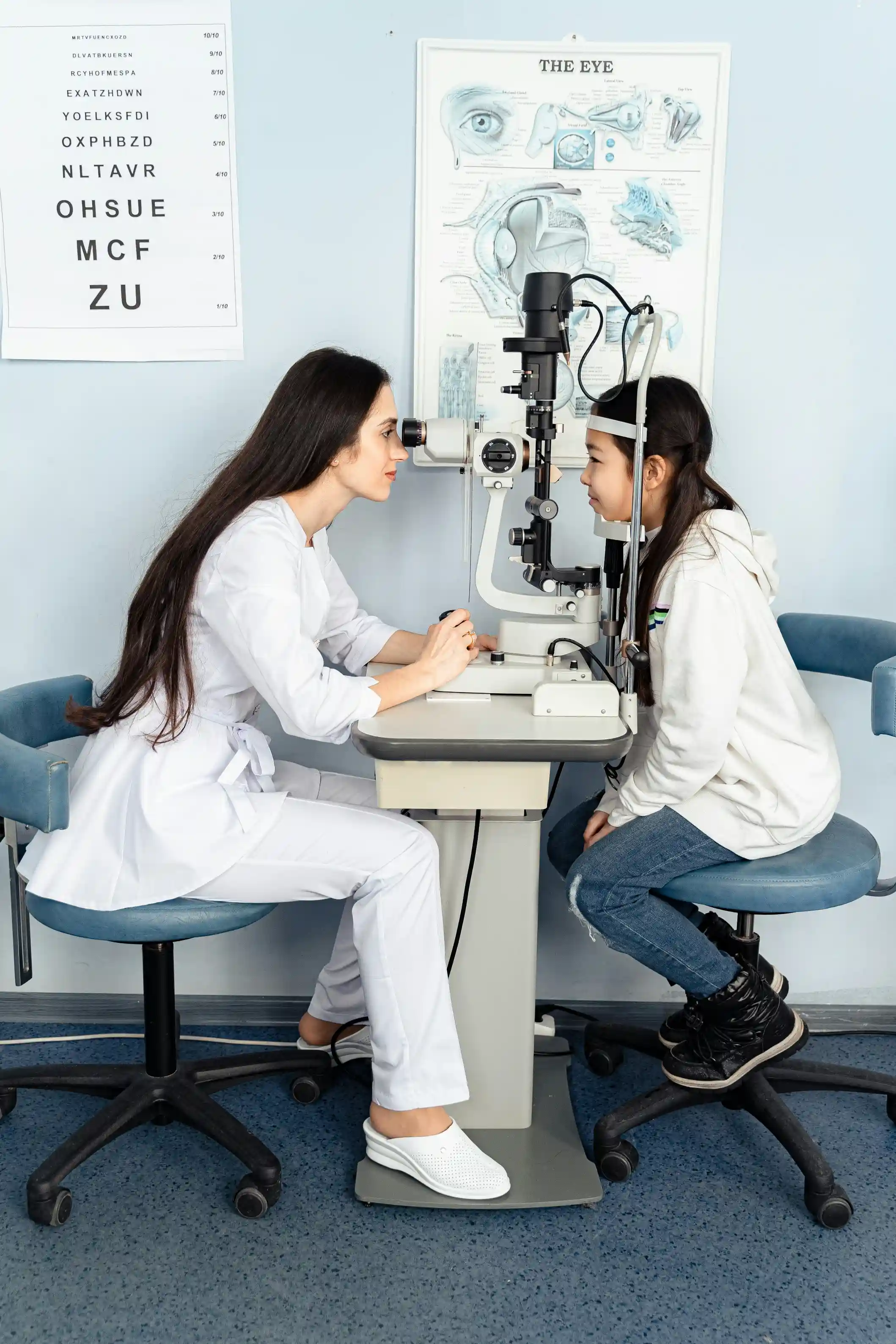
The Doctor of Optometry trains students to become eye care specialists who examine, diagnose, and manage vision problems and eye diseases. You will study anatomy, physiology, optics, ocular pharmacology, clinical refraction, binocular vision, and community eye health. The program combines classroom learning, vision science labs, patient assessment training, and supervised clinical placements. Graduates can work as optometrists in hospitals, private clinics, optical retail, community screening programs, or partner with public health teams and NGOs. This career offers growing demand in Ghana as awareness of eye health increases. If you enjoy science, helping people, and precise clinical work, this program leads to a stable, rewarding role where you restore and protect sight across all ages.
Aims & Objectives
Develop accurate patient assessment skills for refractive and ocular disease diagnosis using standard clinical tests.
Master clinical refraction techniques and optical prescription writing for glasses and contact lenses.
Understand ocular anatomy, physiology, and pharmacology to support safe treatment and referral decisions.
Create professional clinical records and use basic health data management for patient follow up and reporting.
Apply community eye health principles to design and participate in vision screening and disease prevention programs.
Why Choose This Program?
Direct impact on people
You will restore and improve sight, making a visible difference in patients life and community wellbeing.
Strong job demand
Rising awareness of eye health in Ghana creates steady openings in hospitals, clinics, schools, and NGOs.
Hands-on clinical training
Programs include practical labs and supervised placements that build real-world clinical confidence.
Career flexibility
Work options include private practice, public health, optical retail, research, and education.
Industry connections
Training often links students with teaching hospitals, eye clinics, and public health screening initiatives for internships.
Skills & Tools
Skills You'll Develop
Use retinoscopy and phoropter techniques to determine refractive errors and prescribe spectacles or contact lenses.
Operate slit lamp biomicroscopes to assess eyelid, cornea, conjunctiva, and anterior eye structures.
Use direct and indirect ophthalmoscopes and fundus cameras to examine the retina and optic nerve.
Interpret basic optical coherence data, retinal images, and automated perimetry results for disease management.
Use clinic management software and telehealth platforms to document care and conduct remote screening or consultations.
Tools & Resources
Clinic management and EMR software
Visual field and retinal imaging analysis software
Tele-optometry platforms
Microsoft Office or Google Workspace
Challenges & Tips
Challenges
Heavy science and technical content
Developing clinical skills under supervision
Tips & Advice
Build study schedules, join study groups, and use practical labs to reinforce theory.
Seek extra supervised practice, ask for feedback, and use simulation where available.
Video Guide
Frequently Asked Questions
Ready to Apply?
Find programs that match your grades and interests - even if you haven't written WASSCE yet
Loading.. Please wait.

Talk to a Professional
Join a mentorship session with real professionals working in your field of interest.
 Real industry professionals
 Small groups (10-15 students)
 Starting at GH₵ 15 per session