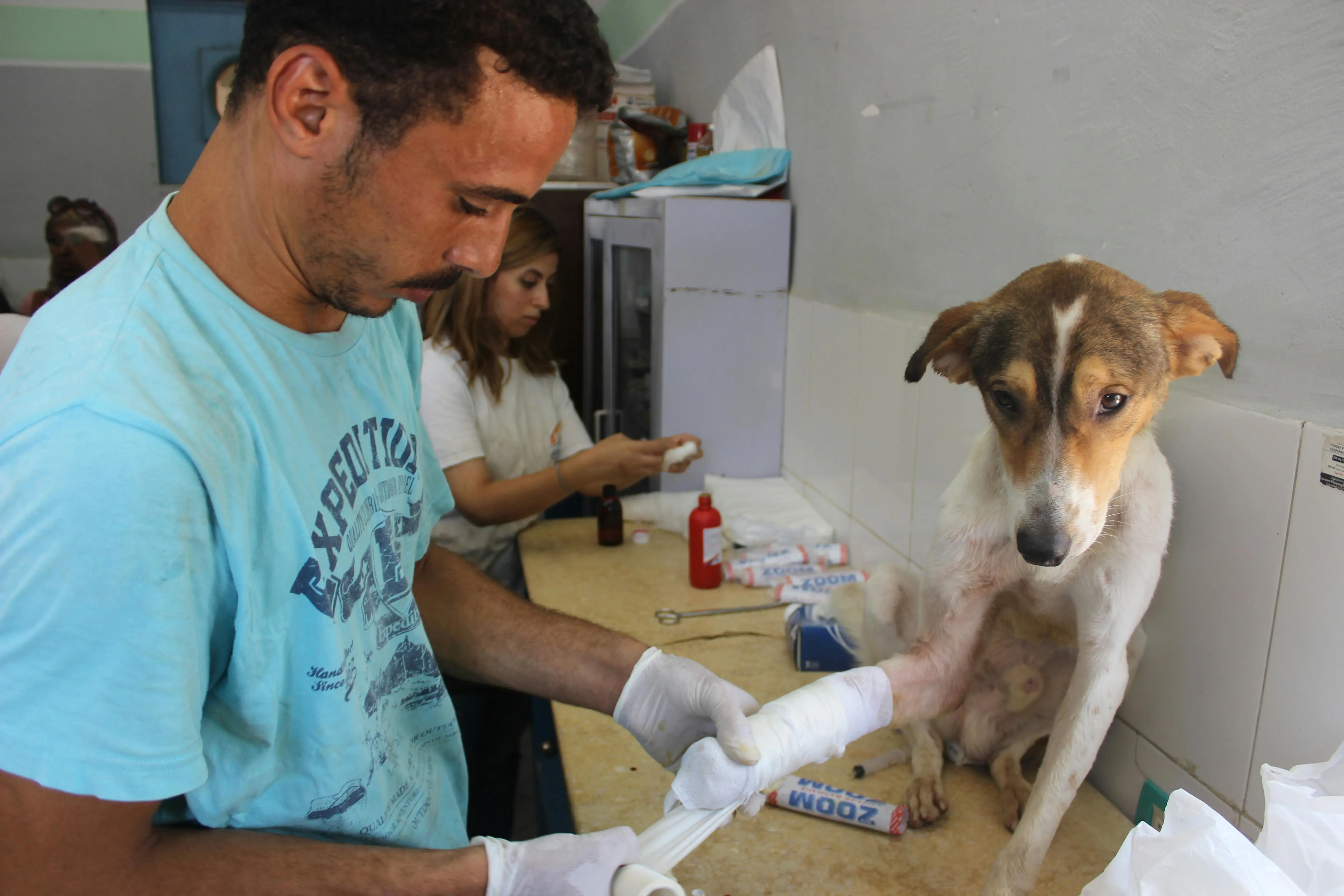
Doctor of Veterinary Medicine
Overview
Job Growth
N/A
Duration
N/A
Avg. Salary
N/A
Career Paths
N/A
Program Description
The Doctor of Veterinary Medicine (DVM) trains you to keep animals healthy and protect public health. You will study animal anatomy, physiology, pathology, pharmacology, surgery, clinical medicine, herd health, food safety, and disease prevention. Practical training includes clinical rotations, laboratory diagnostics, and field work with farm and companion animals. Graduates can work as clinical veterinarians, government animal health officers, public health officers, laboratory diagnosticians, or in livestock advisory services, wildlife management and research. This program builds strong clinical skills, problem solving, and knowledge of zoonotic diseases, preparing you to improve animal welfare, support agriculture, and safeguard human health. If you enjoy science, animals, and hands-on work, this is a rewarding path with growing opportunities in Ghana and beyond.
Aims & Objectives
Develop safe and competent clinical examination and treatment skills for companion and farm animals, demonstrated during supervised rotations.
Master basic surgical, anaesthesia and wound management techniques, assessed through practical exams and logged procedures.
Understand diagnostic laboratory methods and interpret common test results, shown by successful completion of lab-based assessments.
Create and manage herd health and disease prevention plans, evaluated by field project work and case studies.
Why Choose This Program?
Strong demand and diverse careers
Veterinarians are needed in clinical practice, public health, food safety, agriculture and research, giving many job pathways across Ghana and internationally.
Hands-on clinical training
You gain real experience through clinical rotations, field placements on farms, and working in teaching hospitals, building practical confidence.
Protects both animals and people
The program trains you to control zoonotic diseases and improve food safety, making a direct impact on community health.
Opportunities for specialisation and research
After graduation you can specialise in surgery, epidemiology, pathology, wildlife medicine or public health, or join research teams tackling local health challenges.
Skills & Tools
Skills You'll Develop
Perform physical exams, diagnose conditions, and carry out common surgical procedures using standard surgical instruments and sterile technique.
Use microscopes, basic hematology and biochemistry tools, and interpret test results to identify infections and metabolic disorders.
Prepare and monitor anaesthetic plans for various species using anaesthesia machines, monitoring devices and pain control protocols.
Apply disease surveillance, vaccination strategies, and biosecurity practices to manage health in livestock populations and prevent outbreaks.
Tools & Resources
Practice management systems
Laboratory information systems
Statistical packages for epidemiology (R or SPSS)
Challenges & Tips
Challenges
Heavy science workload and demanding practicals
Mastering both small and large animal medicine
Tips & Advice
Create a steady study schedule, join study groups, and practise skills regularly in labs to build competence.
Seek varied clinical placements, ask supervisors for hands-on tasks, and review case notes after rounds.
Video Guide
Frequently Asked Questions
Ready to Apply?
Find programs that match your grades and interests - even if you haven't written WASSCE yet
Loading.. Please wait.

Talk to a Professional
Join a mentorship session with real professionals working in your field of interest.
 Real industry professionals
 Small groups (10-15 students)
 Starting at GH₵ 15 per session