Veterinary Nursing
Overview
Projected Job Growth
N/A
Duration of Study
N/A
Annual Average Salary
N/A
Career Opportunities
N/A
Program Description
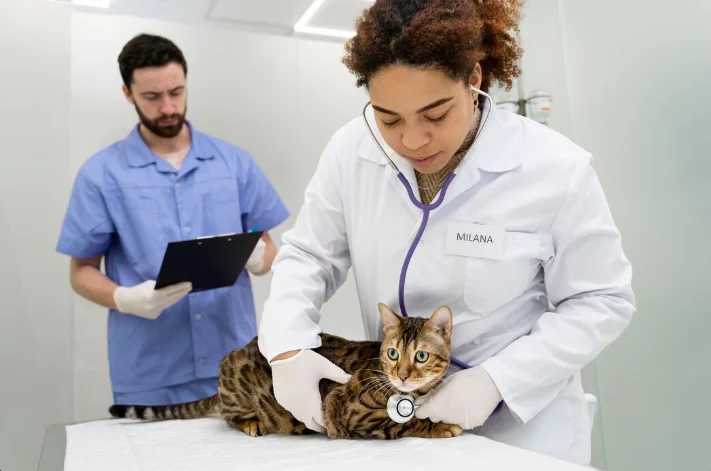
Veterinary Nursing teaches how to care for animals, prevent and treat common diseases, and support sustainable livestock and wildlife health. Students study animal anatomy and physiology, nutrition, clinical nursing procedures, hygiene and biosecurity, farm animal production, and basic diagnostics. Practical work includes laboratory tests, farm visits, and clinic placements. Graduates can work as veterinary nurses, animal health technicians, clinic assistants, farm animal welfare officers, or move into roles in agronomy, conservation, and farm management. This program prepares you for hands-on animal care, community outreach, and environmental stewardship, opening paths in clinics, farms, government services, and NGOs. If you enjoy animals and want a practical career that supports food security and sustainable development, Veterinary Nursing is a strong choice.
Aims and Objectives
Develop practical clinical skills in animal nursing, including administering medication, wound care, and basic emergency care, demonstrated in supervised placements.
Master animal handling and restraint techniques for common farm and companion species to ensure safety and welfare.
Understand animal anatomy, physiology, nutrition, and common disease processes to support diagnosis and treatment planning.
Create and maintain accurate animal health records and use basic data collection methods for monitoring herd or flock health.
Apply biosecurity, hygiene, and sustainable farming practices to reduce disease risk and support environmental conservation.
Why Choose This Program?
High Demand for Animal Health Workers
There is strong need in Ghana for trained veterinary nurses in clinics, farms, and community programs, offering steady job opportunities.
Hands-on Practical Training
The program emphasizes clinic practice, farm attachments, and laboratory work, so you graduate ready to work from day one.
Pathway to Diverse Careers
You can work in veterinary clinics, government animal health services, NGOs, agribusiness, conservation, or continue to higher study.
Support for Rural and National Development
Graduates help improve livestock productivity, food safety, and disease control, making a visible impact in communities.
Industry Links and Internships
Many programs partner with farms, veterinary hospitals, and agricultural agencies for internships, mentorship, and job placements.
Skills Students Will Acquire
Perform injections, wound dressing, intravenous fluids, bandaging, and basic anaesthesia monitoring using standard veterinary protocols.
Use microscopes and rapid field tests to identify parasites, conduct faecal tests, and process basic blood and skin samples.
Design feeding plans, assess body condition, and advise on housing and husbandry to improve animal health and productivity.
Apply hygiene protocols, vaccination schedules, quarantine measures, and farm-level biosecurity practices to prevent outbreaks.
Use herd management software, Excel, or mobile data apps to record treatments, production data, and monitor health trends.
Tools and Resources Students Will Use
herd management software
Microsoft Excel
KoboToolbox or mobile data collection apps
electronic medical record systems
Challenges Students Face and Helpful Tips
Challenges
Difficult science concepts such as anatomy and pathology
Heavy practical workload with exams
Tips & Advice
Use visual aids, repeated practical sessions, and group study to reinforce learning.
Create a study timetable that balances lab practice and theory review, and seek help early from tutors.
Video Guide
Frequently Asked Questions
All your queries answered.