Bachelor of Music
Overview
Projected Job Growth
N/A
Duration of Study
N/A
Annual Average Salary
N/A
Career Opportunities
N/A
Program Description
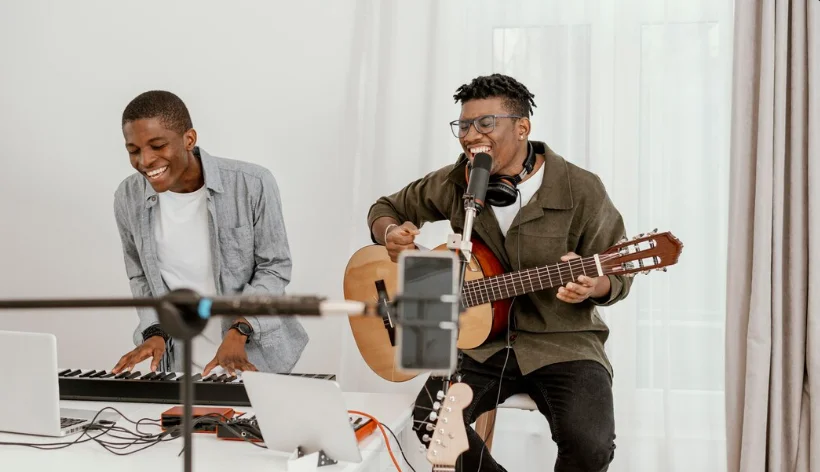
A Bachelor of Music trains you in musical performance, composition, theory, history, and music technology. You will study practical subjects like instrumental or vocal performance, sight reading, ear training, harmony, orchestration, music analysis, and digital audio production. Coursework includes ensemble work, music research, Ghanaian and world music studies, and concerts or recitals. Graduates can work as performers, music teachers, composers, arrangers, studio producers, sound engineers, arts administrators, or cultural programmers. The degree also prepares you for postgraduate study in music, education, or media. If you love making and sharing music, this program helps turn your passion into practical skills and a range of career paths in schools, studios, media, and cultural institutions.
Aims and Objectives
Develop advanced instrumental or vocal performance skills with measurable progress in technique and repertoire.
Master music theory and harmony so students can analyze and arrange works to professional standards.
Understand Ghanaian and global music traditions through research projects and documented presentations.
Create original compositions and recordings, completing a portfolio of scored works and demo tracks.
Perform confidently in ensembles and solo recitals, meeting public performance and assessment benchmarks.
Why Choose This Program?
Practical performance training
Hands-on lessons, ensemble work, and regular recitals build stage skills and confidence for live work.
Industry-relevant technology
Courses include digital audio production and notation software training, preparing you for studios and media roles.
Career flexibility
Graduates can teach, perform, compose, produce, or work in media and cultural institutions across Ghana and beyond.
Cultural and academic grounding
Study of Ghanaian and world music traditions supports roles in arts management, curation, and cultural programming.
Internships and professional links
Programs often offer internships with studios, radio stations, schools, and cultural centres to build networks and experience.
Skills Students Will Acquire
Use Logic Pro, Ableton Live, Pro Tools or similar to record, edit, mix, and produce music for media and performance.
Create professional scores with Sibelius, Finale, or MuseScore for composition, arranging, and publishing.
Operate microphones, audio interfaces, and mixing tools to capture and polish live and studio performances.
Apply harmonic, melodic, and structural analysis to compose, arrange, and interpret diverse musical styles.
Integrate audio with video and graphic tools, using Adobe or similar suites, for multimedia presentations and promotion.
Tools and Resources Students Will Use
Logic Pro, Ableton Live, or Pro Tools
Sibelius, Finale, or MuseScore
Audacity or similar audio editors
Adobe Creative Cloud (for multimedia promotion)
Streaming platforms for distribution
Challenges Students Face and Helpful Tips
Challenges
Learning complex music theory and notation
Balancing practice with coursework
Tips & Advice
Study in small daily sessions, use visual aids, and join study groups for peer support.
Create a weekly timetable allocating focused practice blocks and assignment time.
Video Guide
Frequently Asked Questions
All your queries answered.