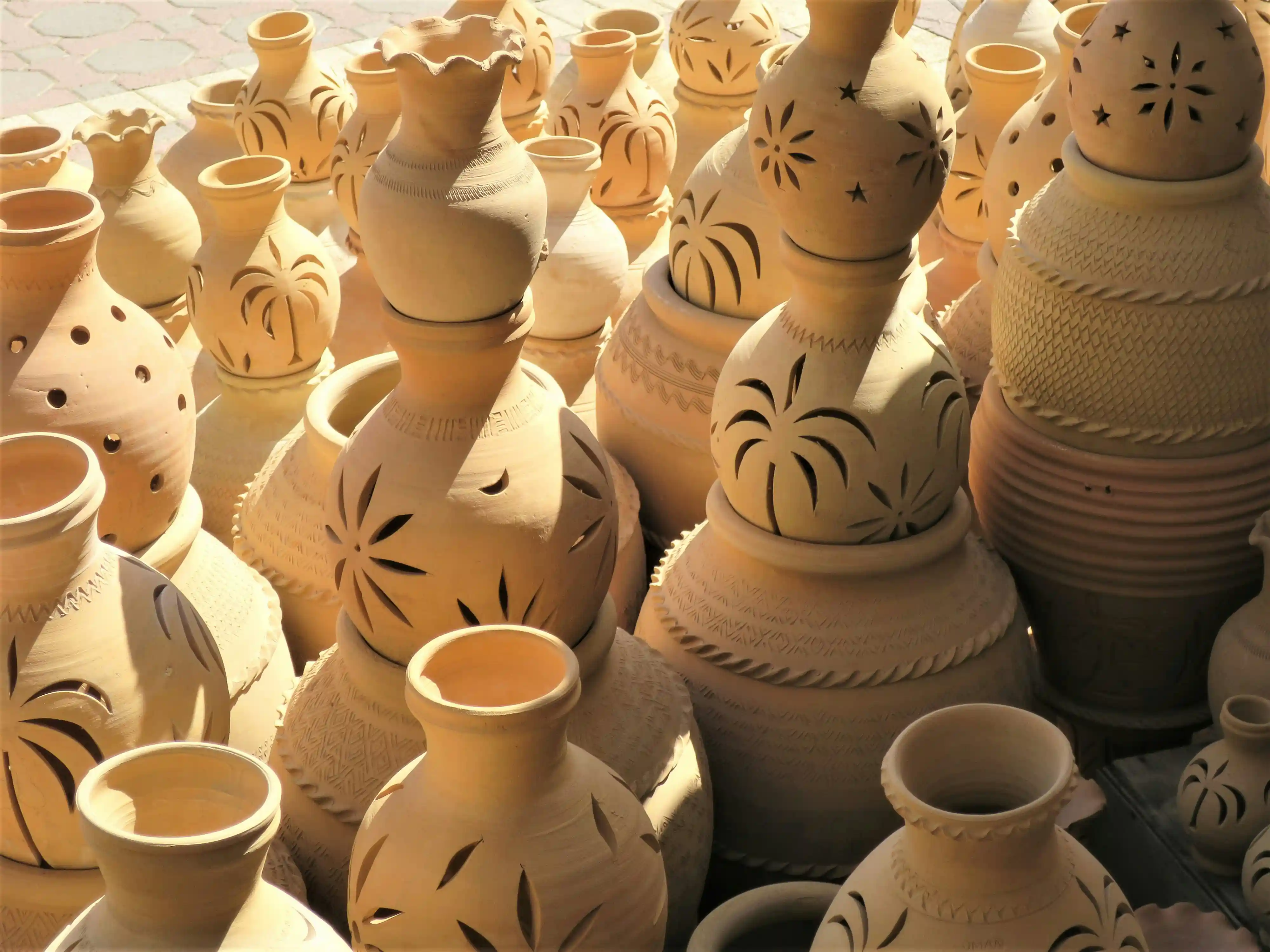
Ceramics
Overview
Job Growth
N/A
Duration
N/A
Avg. Salary
N/A
Career Paths
N/A
Program Description
Ceramics is the study and practice of making objects from clay, exploring form, surface, and function. In this program you will learn hand-building, wheel-throwing, glazing, firing, and the history of ceramic art and cultural traditions. Practical studio work is combined with studies in design, materials science, and visual communication. Graduates can pursue careers as studio potters, product designers, art teachers, museum curators, creative directors, or start craft businesses that sell functional and decorative ceramics. This program builds creative skills, technical craft, and a professional portfolio, helping you turn a love of making into real jobs and small business opportunities in Ghana and beyond.
Aims & Objectives
Develop consistent wheel-throwing skills to produce at least 10 functional vessels with uniform form and wall thickness.
Master hand-building techniques, including coiling and slab construction, to create sculptural and utilitarian pieces.
Understand glaze chemistry and firing ranges, and apply safe kiln operation to achieve predictable surface results.
Create a professional portfolio of 8 to 12 finished works and document processes for exhibitions or business sales.
Why Choose This Program?
Hands-on creative practice
You spend most of your time making, learning by doing, which builds practical skills employers and customers value.
Cultural and design relevance
Ceramics connects Ghanaian craft traditions with contemporary design, opening opportunities in cultural tourism and museums.
Career versatility and entrepreneurship
Skills transfer to teaching, studio practice, product design, gallery work, and starting a craft business.
Industry links and exhibitions
Students can access community studios, craft markets, and internships at galleries or cultural centres to build networks.
Skills & Tools
Skills You'll Develop
Techniques to center clay, form vessels, control wall thickness, and trim, used for producing bowls, cups, and pots.
Coiling, slab work, and modeling for making forms that cannot be thrown, including decorative and large-scale pieces.
Formulating and applying glazes, understanding firing temperatures and schedules to achieve safe, durable finishes.
Use of Adobe Photoshop or Illustrator to photograph work, design labels, and prepare a portfolio or online shop listings.
Tools & Resources
Adobe Photoshop
Adobe Illustrator
Blender (optional for 3D design)
Challenges & Tips
Challenges
Balancing theory and practice
Mastering technical processes takes time
Tips & Advice
Schedule regular studio hours and set project goals that pair practical making with short research or reflection notes.
Keep a skills log, repeat core exercises, and seek feedback from teachers or experienced potters.
Video Guide
Frequently Asked Questions
Ready to Apply?
Find programs that match your grades and interests - even if you haven't written WASSCE yet
Loading.. Please wait.

Talk to a Professional
Join a mentorship session with real professionals working in your field of interest.
 Real industry professionals
 Small groups (10-15 students)
 Starting at GH₵ 15 per session