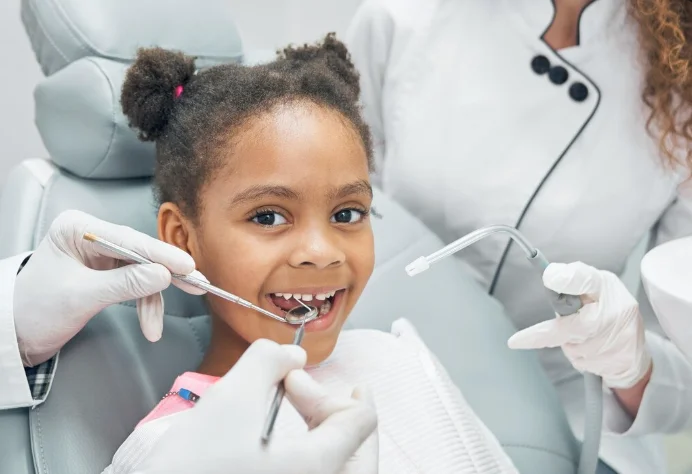
Dental Therapy
Overview
Job Growth
N/A
Duration
N/A
Avg. Salary
N/A
Career Paths
N/A
Program Description
Dental Therapy trains students to provide preventive and basic restorative oral care in communities and clinics. You will study anatomy, oral pathology, dental materials, radiography, infection control, patient assessment, and clinical techniques. The program develops hands-on skills in cleaning teeth, giving fillings, extracting primary teeth, and promoting oral health. Graduates can work as dental therapists, dental assistants, community oral health officers, or join public health teams. With experience or further study, you can advance to supervisory, teaching, or broader healthcare roles. This course is practical, community-focused, and ideal for students who enjoy science, patient care, and making a visible impact on people’s health.
Aims & Objectives
Develop competent clinical skills in routine dental procedures, demonstrated by completing 50 supervised patient treatments.
Master infection control and sterilization procedures, achieving compliance with standard protocols in simulated and real settings.
Understand oral anatomy and common dental diseases, shown by passing written and practical assessments with at least 70 percent.
Manage patient records and basic radiographs, demonstrated by accurate documentation and safe imaging on 30 cases.
Why Choose This Program?
Strong community impact
Dental therapists provide essential oral care in schools, clinics, and rural areas, improving health where it is most needed.
High demand in public and private sectors
Ghana needs trained oral health professionals, so graduates find roles in hospitals, clinics, NGOs, and government health programs.
Hands-on, practical training
The program blends classroom theory with clinical practice and internships, building skills employers value from day one.
Pathways for advancement
You can progress to supervisory roles, specialize further, or pursue tertiary study in dental science or public health.
Skills & Tools
Skills You'll Develop
Conduct systematic oral exams, record findings, identify common conditions like caries and periodontal disease, and formulate basic treatment plans.
Perform teeth cleaning, fluoride application, simple restorations and extractions of primary teeth using standard instruments and materials.
Apply standard precautions, use autoclaves and sterilization protocols, and maintain a safe clinical environment to prevent cross infection.
Operate intraoral radiography equipment, position patients safely, and interpret basic radiographic images for diagnosis.
Tools & Resources
Clinic management or patient registration software
Digital radiography software
Microsoft Office or LibreOffice for record keeping
Electronic Health Record systems used by local clinics
Challenges & Tips
Challenges
Heavy science and technical content
Tips & Advice
Form study groups, attend practical sessions regularly, and use visuals or models to reinforce anatomy and procedures.
Video Guide
Frequently Asked Questions
Ready to Apply?
Find programs that match your grades and interests - even if you haven't written WASSCE yet
Loading.. Please wait.

Talk to a Professional
Join a mentorship session with real professionals working in your field of interest.
 Real industry professionals
 Small groups (10-15 students)
 Starting at GH₵ 15 per session