Doctor of Medical Laboratory Sciences
Overview
Job Growth
N/A
Duration
N/A
Avg. Salary
N/A
Career Paths
N/A
Program Description
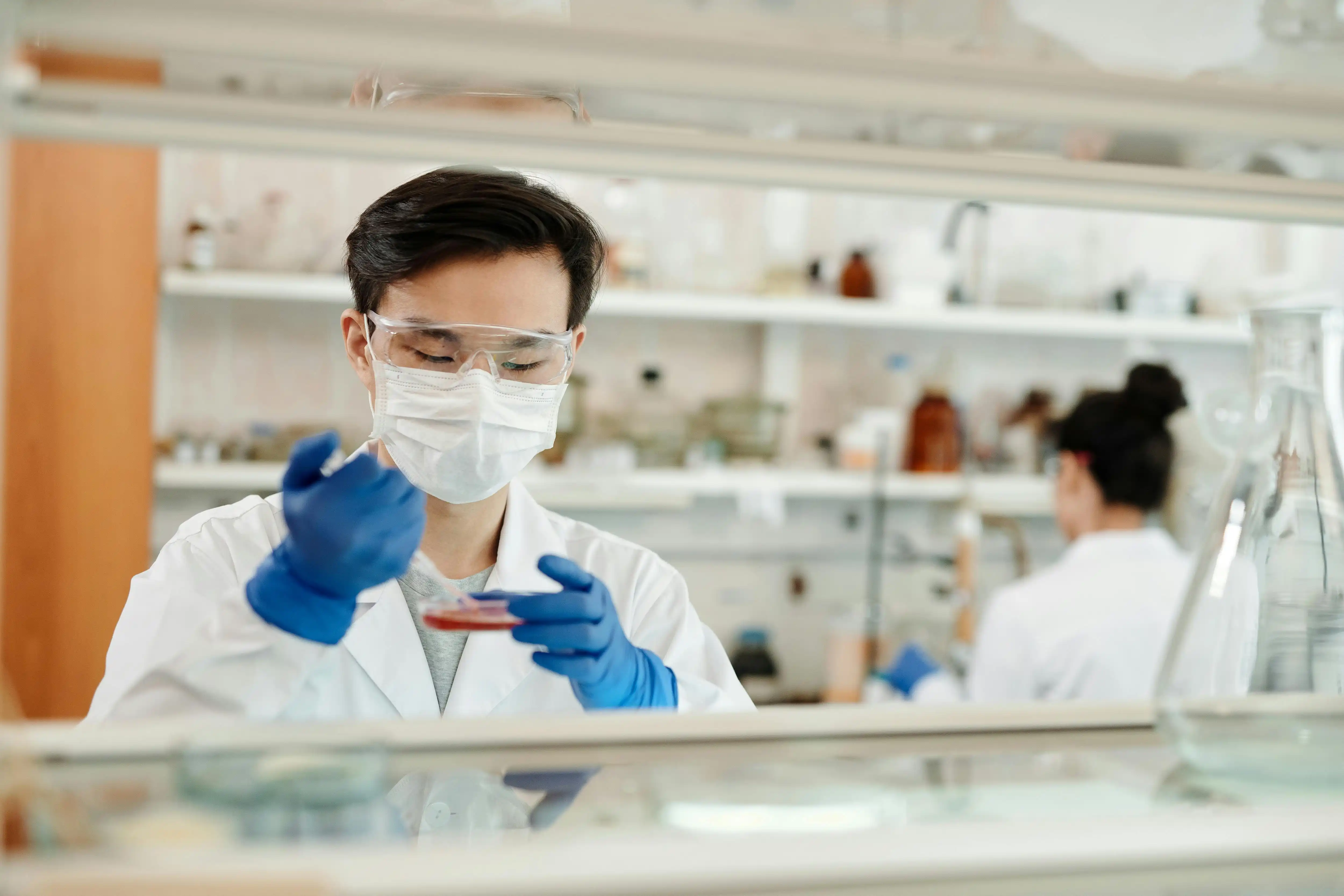
The Doctor of Medical Laboratory Sciences is an advanced program that trains students to lead clinical laboratories and improve patient care through accurate testing and diagnostics. You will study anatomy, clinical biochemistry, hematology, microbiology, immunology, molecular diagnostics, laboratory management, quality assurance, health data management, and research methods. The program combines hands-on laboratory practice with coursework in ethics and health systems. Graduates can work as senior medical laboratory scientists, laboratory managers, clinical researchers, public health officers, or healthcare administrators in hospitals, diagnostic centres, research institutes, and public health agencies in Ghana and beyond. This program prepares you to use technology, interpret laboratory results, lead teams, and support better patient outcomes.
Aims & Objectives
Develop advanced laboratory diagnostic skills to perform and interpret clinical tests accurately.
Master molecular and microbiology techniques, including PCR, culture, and microscopy, for disease detection.
Understand and implement laboratory quality assurance, biosafety, and infection control standards to protect patients and staff.
Create and manage health data, laboratory reports, and laboratory information systems for timely clinical decision-making.
Apply research methods to design, conduct, analyse, and report studies that improve laboratory practice and public health.
Why Choose This Program?
High demand for skilled laboratory leaders
Qualified laboratory doctors are needed in hospitals, public health, and research, offering strong job prospects in Ghana and internationally.
Hands-on, practical training
Extensive laboratory rotations and practical classes build clinical skills you can apply directly in patient care and diagnostics.
Leadership and management opportunities
Training includes lab management and quality systems, preparing you for supervisory and administrative roles in healthcare.
Research and technology focus
Learn modern techniques like molecular diagnostics and data analysis, preparing you for roles in research and precision medicine.
Industry links and internships
Partnerships with hospitals, diagnostic centres, and public health agencies provide internships and networking for career entry.
Skills & Tools
Skills You'll Develop
Perform and interpret clinical tests in biochemistry, hematology, microbiology, and serology to support diagnosis and treatment.
Use PCR, gel electrophoresis, and nucleic acid techniques for detecting pathogens and genetic markers.
Operate LIMS and electronic medical record interfaces to manage samples, results, and reporting workflows.
Apply quality assurance protocols, internal controls, proficiency testing, and documentation for laboratory accreditation.
Implement biosafety levels, PPE use, waste management, and decontamination to prevent laboratory-acquired infections.
Tools & Resources
Laboratory Information Management Systems (LIMS)
Statistical tools like R or SPSS
Digital microscopy and imaging software
Microsoft Office or Google Workspace
Challenges & Tips
Challenges
Heavy theoretical and practical science content
Research and writing requirements
Tips & Advice
Use weekly study plans, join study groups, and practice hands-on skills regularly in labs.
Start projects early, seek supervisor feedback, and use institutional writing resources and templates.
Video Guide
Frequently Asked Questions
Ready to Apply?
Find programs that match your grades and interests - even if you haven't written WASSCE yet
Loading.. Please wait.

Talk to a Professional
Join a mentorship session with real professionals working in your field of interest.
 Real industry professionals
 Small groups (10-15 students)
 Starting at GH₵ 15 per session