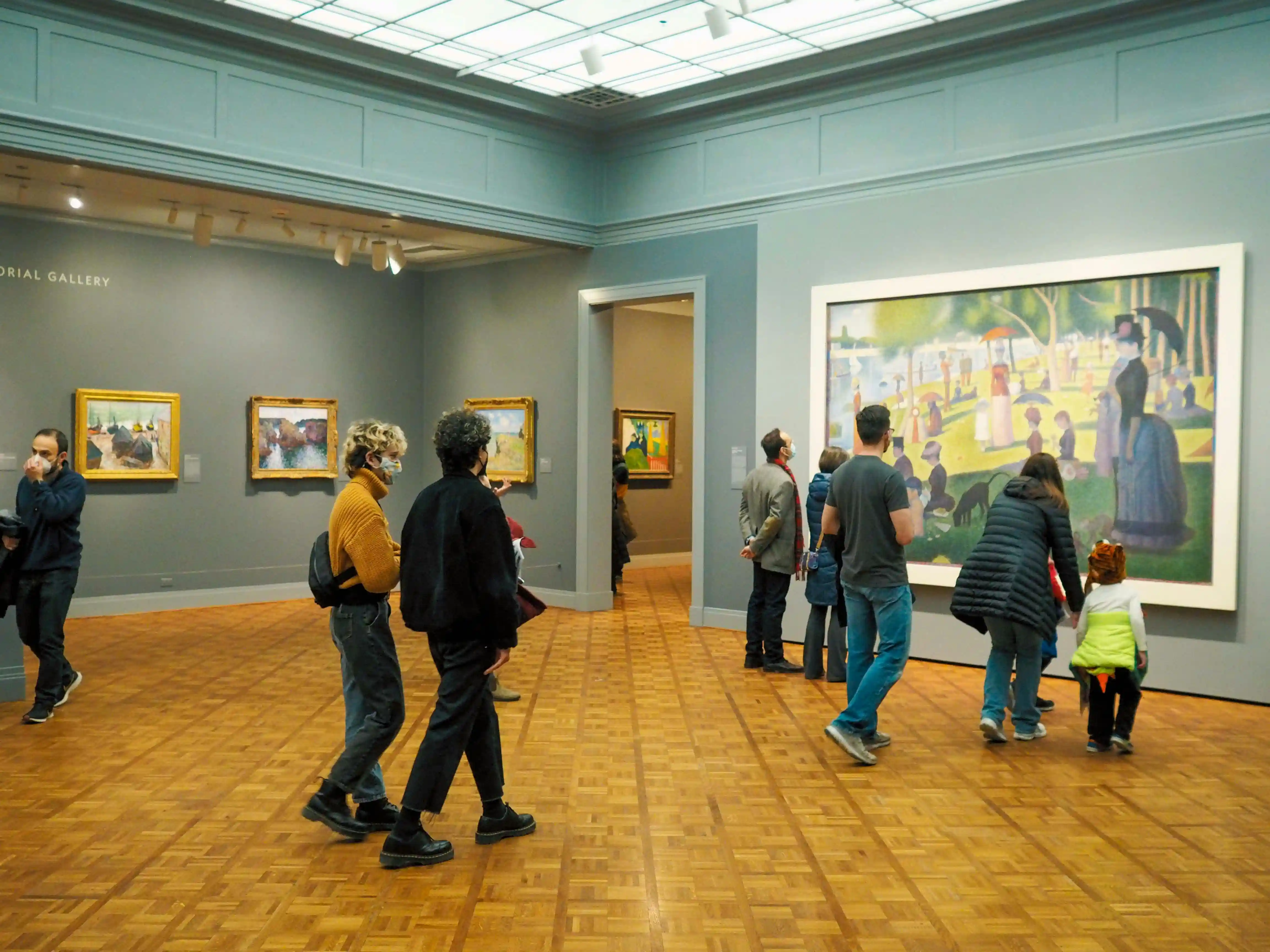
Fine Art and Curatorial Practice
Overview
Job Growth
N/A
Duration
N/A
Avg. Salary
N/A
Career Paths
N/A
Program Description
Fine Art and Curatorial Practice is a creative programme that teaches you to make, study, and present visual art. You will learn drawing, painting, sculpture, digital media, art history, curation and exhibition design. The course combines practical studio work with research in culture, literature and philosophy so you can tell stories through objects and displays. Graduates can work as graphic designers, museum curators, art teachers, creative directors, or writers/journalists in Ghana’s cultural and media industries. This programme builds a strong portfolio, technical skills in digital tools, and the critical thinking needed to shape exhibitions, public programmes and creative projects. It’s an excellent choice if you love visual arts and want a career that mixes creativity, culture and communication.
Aims & Objectives
Develop a professional portfolio of at least 12 artworks across media (drawing, painting, digital, or sculpture) by the end of the programme
Master core digital tools such as Adobe Photoshop, Illustrator and basic video editing for media production
Understand key cultural, historical and philosophical contexts to curate meaningful exhibitions and write informed catalogues
Create and plan at least one public exhibition or online showcase, including labels, layout and promotional material
Apply research and analysis methods to evaluate artworks, audiences and community impact using written reports and presentations
Why Choose This Program?
Hands-on creative training
Practical studio classes let you build skills in drawing, painting, sculpture and digital media—ideal for making a strong portfolio.
Career-ready pathways
Prepares you for jobs like curator, graphic designer, art teacher or creative director in Ghana’s growing cultural and media sectors.
Cultural and community focus
You’ll learn to connect art with Ghanaian history and communities, opening opportunities in museums, festivals and heritage projects.
Industry connections and internships
Links with galleries, museums and creative firms can provide internships, mentorships and real exhibition experience.
Transferable creative skills
Gain visual communication, storytelling and digital production skills useful across advertising, publishing and media industries.
Skills & Tools
Skills You'll Develop
Use Photoshop, Illustrator and InDesign for image editing, vector design and layout for print and digital projects.
Create basic video and audio content, edit exhibition walkthroughs and promotional clips using tools like Final Cut Pro or similar.
Apply composition, colour theory, typography and layout to create effective artworks, posters and exhibition graphics.
Conduct art-historical research, write catalogue texts, develop exhibition concepts and plan display logistics.
Craft artist statements, press releases, labels and articles that communicate ideas clearly to varied audiences.
Tools & Resources
Adobe Photoshop / Illustrator / InDesign (Creative Suite)
Canva
Final Cut Pro (or DaVinci Resolve)
WordPress
Challenges & Tips
Challenges
Balancing theory and studio practice
Building a strong portfolio quickly
Tips & Advice
Set a weekly schedule dividing research, studio time and coursework; use small goals to stay consistent.
Focus on quality over quantity—select your best pieces and document them professionally; seek feedback from teachers.
Video Guide
Frequently Asked Questions
Ready to Apply?
Find programs that match your grades and interests - even if you haven't written WASSCE yet
Loading.. Please wait.

Talk to a Professional
Join a mentorship session with real professionals working in your field of interest.
 Real industry professionals
 Small groups (10-15 students)
 Starting at GH₵ 15 per session