FOOD SCIENCE AND TECHNOLOGY
Overview
Projected Job Growth
N/A
Duration of Study
N/A
Annual Average Salary
N/A
Career Opportunities
N/A
Program Description
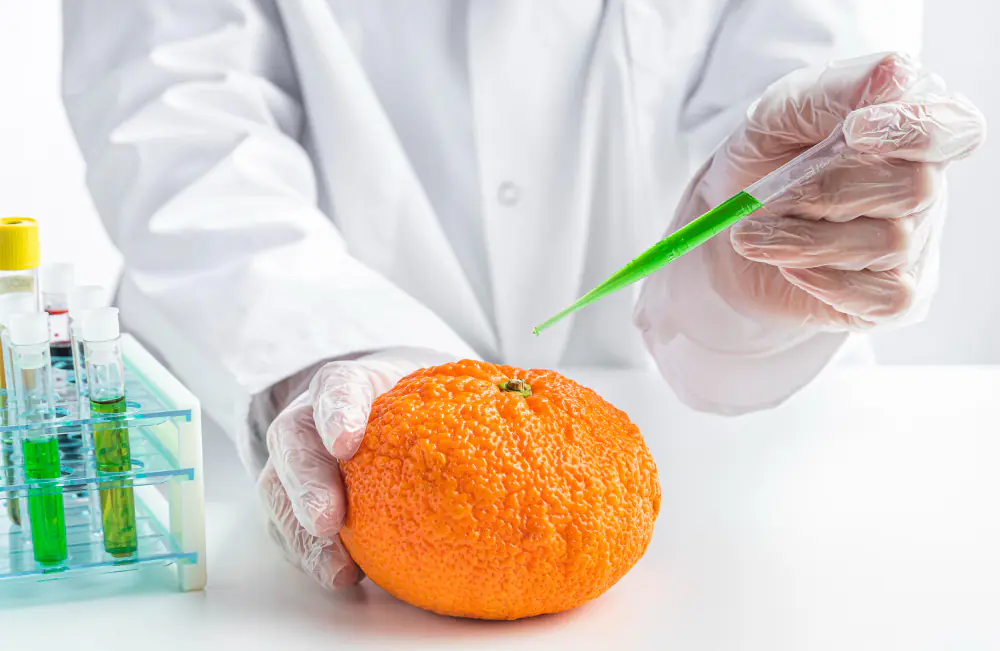
Food Science and Technology applies engineering and science to produce, preserve and improve foods safely and efficiently. You will study food chemistry, microbiology, processing methods, packaging, quality assurance and basic equipment design. Hands-on lab work and pilot-scale processing teach you how food is tested, processed and made shelf-stable. The program leads to careers in food processing companies, quality control, product development, equipment design, regulatory inspection, and food entrepreneurship in Ghana and beyond. If you enjoy science, problem-solving and working with technology to improve the foods people eat, this program opens practical, in-demand pathways into industry and business.
Aims and Objectives
Develop practical laboratory skills to perform food composition and microbial tests with accuracy.
Master food safety systems by designing and applying HACCP-based quality plans.
Understand principles of food processing and preservation and analyze their effects on nutrients and shelf life.
Create basic equipment and plant layouts using CAD tools for small-scale food operations.
Manage food quality projects by planning tests, interpreting data, and preparing technical reports.
Why Choose This Program?
High demand in Ghana
Food processing and agro‑processing are growing sectors offering steady jobs in factories, labs and regulatory bodies.
Hands-on, practical learning
Laboratory work and pilot-plant practice give you job-ready skills employers seek.
Impact on public health and food security
You contribute to safer, longer-lasting foods and value addition for Ghanaian crops.
Industry links and internships
Opportunities exist to intern with local processors, mills and quality-control labs for real-world experience.
Entrepreneurship and innovation
Skills let you start small food businesses, develop new products, and improve packaging and shelf life.
Skills Students Will Acquire
Learn hazard analysis, control point planning and compliance methods used to keep food supplies safe.
Understand unit operations and use CAD (AutoCAD) to design small-scale processing lines and equipment layouts.
Perform proximate analysis, microbial counts, and chemical tests to assess food quality and safety.
Use tools like MATLAB to model heat transfer, drying kinetics and optimize processing parameters.
Evaluate barrier materials, test shelf-life under storage conditions and choose appropriate packaging solutions.
Tools and Resources Students Will Use
AutoCAD
MATLAB
Visual Studio Code
Microsoft Project
Challenges Students Face and Helpful Tips
Challenges
Heavy science and math content (chemistry, physiology, calculations).
Complex laboratory techniques and safety protocols.
Tips & Advice
Strengthen basics early: revise SHS chemistry and maths, use online courses, and practice problem sets weekly.
Attend labs regularly, follow SOPs, ask instructors for demonstrations, and keep a detailed lab notebook.
Video Guide
Frequently Asked Questions
All your queries answered.