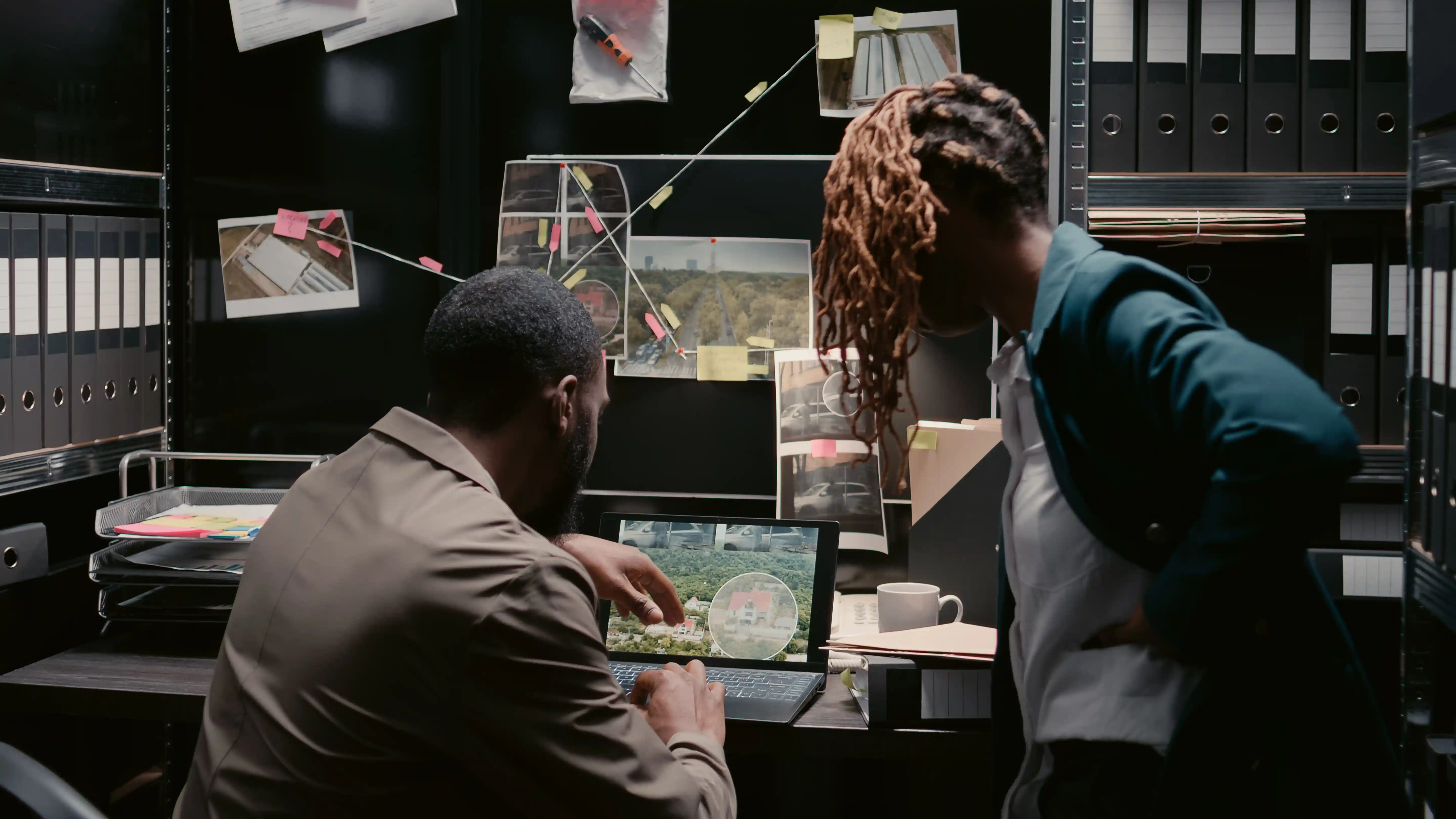
Forensic Science
Overview
Job Growth
N/A
Duration
N/A
Avg. Salary
N/A
Career Paths
N/A
Program Description
Forensic Science applies biology, chemistry, physics and mathematics to investigate real-world problems, especially crimes and environmental incidents. In this program you will study laboratory techniques, evidence collection, crime scene procedures, microscopy, basic DNA and chemical analysis, statistics, and scientific reporting. Practical lab work and field exercises teach safe handling of samples, accurate data recording, and critical thinking. Graduates can pursue careers as research scientists, laboratory technicians, environmental scientists, science teachers, or quality control analysts, and can work with police laboratories, environmental agencies, universities, and private testing firms. If you enjoy careful observation, science experiments, and helping to solve real problems, this program gives you the skills to build a respected and growing career.
Aims & Objectives
Develop practical laboratory skills in sample preparation, microscopy, and safe handling of reagents with measurable competency.
Master evidence collection and chain of custody procedures through supervised field and lab exercises.
Understand research methodology and apply basic statistical analysis to interpret experimental and forensic data.
Create clear, accurate scientific reports and laboratory records that meet professional and legal standards.
Apply instrument operation and routine calibration techniques for common forensic equipment under instructor evaluation.
Why Choose This Program?
Hands-on science experience
Emphasis on laboratory and field work helps you build practical skills employers need, not just theory.
Clear career pathways
Leads to roles in labs, environmental agencies, policing support, education, and quality control in industry.
Growing demand in Ghana
Expanding forensic and environmental testing needs mean increasing job opportunities in public and private sectors.
Internship and industry links
Opportunities to train with university labs, police science units, and private testing centres for real-world exposure.
Transferable skills
Builds research, data analysis, and documentation skills useful across science and technology careers.
Skills & Tools
Skills You'll Develop
Use pipettes, microscopes, centrifuges and PPE correctly, and follow protocols to protect samples and people.
Properly collect, label, store and document evidence so results are admissible and traceable.
Perform basic chromatography, spectrophotometry and staining methods to identify substances and biological material.
Understand DNA extraction, PCR concepts and gel visualization at an introductory level for biological identification.
Use spreadsheets and basic statistical tests to interpret measurements and present results with confidence.
Tools & Resources
Microsoft Excel
R or basic statistics packages
Laboratory information management systems (LIMS) introductory tools
Report writing tools or word processors
Challenges & Tips
Challenges
Heavy science and maths workload
Limited practical sessions in some schools
Tips & Advice
Join study groups, attend extra tutorials, and focus on understanding concepts, not memorization.
Seek weekend or holiday lab access at nearby universities or science clubs to gain hands-on practice.
Video Guide
Frequently Asked Questions
Ready to Apply?
Find programs that match your grades and interests - even if you haven't written WASSCE yet
Loading.. Please wait.

Talk to a Professional
Join a mentorship session with real professionals working in your field of interest.
 Real industry professionals
 Small groups (10-15 students)
 Starting at GH₵ 15 per session