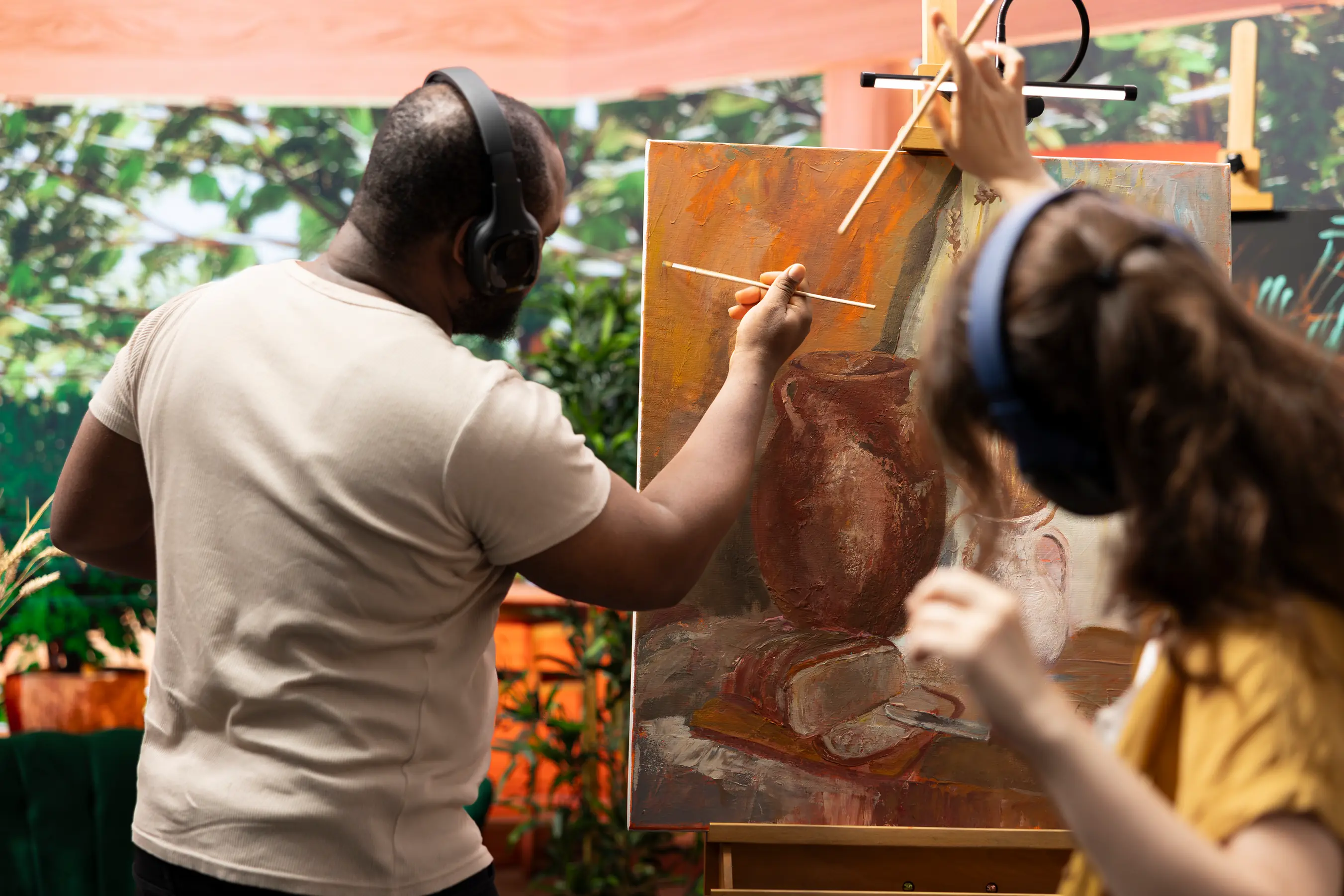
Integrated Rural Art and Industry
Overview
Job Growth
N/A
Duration
N/A
Avg. Salary
N/A
Career Paths
N/A
Program Description
Integrated Rural Art and Industry is a unique program designed to combine creativity, traditional knowledge, and modern industry skills to promote rural development and cultural sustainability. Students study how to use local materials, indigenous art forms, and modern design approaches to create products, crafts, and businesses that serve both local and international markets. Courses include ceramics, textiles, leatherwork, metalwork, sculpture, product design, entrepreneurship, and cultural studies. The program also emphasizes innovation and value addition to traditional art forms, linking them to contemporary industries. Graduates can work as designers, art educators, product developers, entrepreneurs, or cultural promoters. This program equips students not only to preserve Ghana’s rich cultural heritage but also to transform it into modern economic opportunities. It bridges the gap between tradition and modernity, preparing students to support rural industries, tourism, and sustainable development while creating self-employment and industrial opportunities.
Aims & Objectives
Prepare graduates for careers in design, industry, and education.
Encourage innovation while preserving cultural heritage.
Train students to add value to indigenous raw materials.
Promote rural industrialization through creative design and entrepreneurship.
Equip students with skills in traditional and modern art forms.
Why Choose This Program?
Community Impact
Equips students to develop rural areas and create jobs.
Job Opportunities
Opens careers in design, teaching, and cultural industries.
Cultural Preservation
Helps protect and modernize Ghana’s rich traditions.
Entrepreneurship Focus
Prepares students to start their own businesses.
Unique Blend
Combines art, culture, and industry in one program.
Skills & Tools
Skills You'll Develop
Turning local materials into useful market products.
Printing, dyeing, and creating innovative fabric designs.
Making functional and decorative clay products.
Using design software for modern production.
Crafting fashion accessories and industrial products.
Tools & Resources
Rhino 3D – For modeling ceramic and industrial products.
Photoshop – For textile and fashion design enhancement.
AutoCAD – For technical drawings and product design.
CorelDRAW – For graphic and product design.
Challenges & Tips
Challenges
Mastering Multiple Crafts
Balancing Theory and Practical Work
Tips & Advice
The program covers ceramics, textiles, leatherwork, and metalwork, making it challenging to excel in all areas.
Students must combine classroom learning with hands-on studio projects, which can be demanding.
Video Guide
Frequently Asked Questions
Ready to Apply?
Find programs that match your grades and interests - even if you haven't written WASSCE yet
Loading.. Please wait.

Talk to a Professional
Join a mentorship session with real professionals working in your field of interest.
 Real industry professionals
 Small groups (10-15 students)
 Starting at GH₵ 15 per session