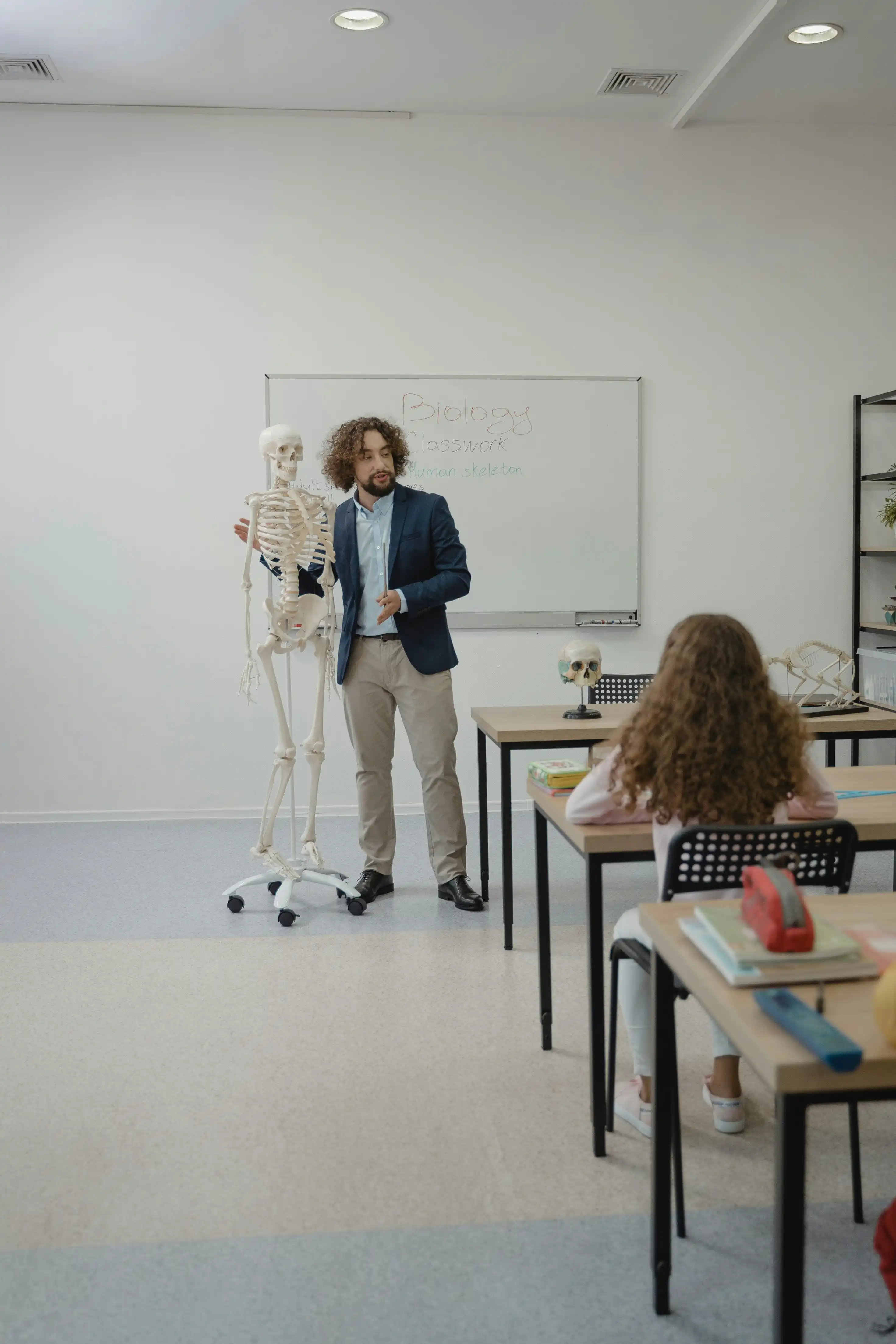
Integrated Science Education
Overview
Job Growth
N/A
Duration
N/A
Avg. Salary
N/A
Career Paths
N/A
Program Description
Integrated Science Education trains students to teach science in a connected, practical way. You will study biology, chemistry, physics and environmental science together with teaching methods, lesson planning, classroom management, assessment, and educational technology. The program combines science content knowledge with pedagogy, classroom practice and child development so you can design hands-on lessons and fair assessments. Graduates can become classroom teachers, educational administrators, curriculum developers, special education specialists, or educational consultants. If you enjoy science and working with young people, this program builds the skills and confidence to inspire learners and move into a stable, meaningful career in Ghanaian education.
Aims & Objectives
Develop accurate subject knowledge across biology, chemistry, physics and environmental science for classroom teaching.
Master lesson planning and classroom management techniques that promote active, safe and inclusive learning.
Understand assessment methods and use evaluation data to improve student learning outcomes.
Create practical, hands-on science activities and demonstrate safe laboratory procedures.
Apply educational technology and instructional design to develop engaging digital and print learning resources.
Why Choose This Program?
Strong Career Pathways
Leads to in-demand roles such as teacher, curriculum developer and educational administrator across Ghana.
Practical, Hands-On Training
Focus on experiments, lesson practice and classroom placements prepares you for real teaching situations.
Support for Inclusive Education
Covers special education strategies so you can meet diverse learner needs and improve classroom outcomes.
Growing Use of Educational Technology
Training in digital tools and LMS increases employability in modern schools and remote learning contexts.
Local and Regional Opportunities
Connections with schools and Ghana Education Service internships help you gain work experience and professional networks.
Skills & Tools
Skills You'll Develop
Design sequenced lesson plans and unit schemes using Ghanaian curriculum standards and assessment objectives.
Use routines, positive behaviour strategies and classroom layout to create safe, productive learning environments.
Create formative and summative assessments, mark reliably, and use data to adjust teaching practices.
Operate LMS, presentation tools and educational apps to deliver lessons, track progress and support blended learning.
Plan and run simple experiments, manage lab equipment, and apply safety protocols for student investigations.
Tools & Resources
Moodle or Google Classroom
Microsoft Office or LibreOffice
Kahoot and Quizlet for formative assessment
e-portfolio tools and basic data spreadsheets
Challenges & Tips
Challenges
Keeping up with both science content and teaching methods
Tips & Advice
Create a study timetable that balances subject study and pedagogical practice, and join study groups.
Video Guide
Frequently Asked Questions
Ready to Apply?
Find programs that match your grades and interests - even if you haven't written WASSCE yet
Loading.. Please wait.

Talk to a Professional
Join a mentorship session with real professionals working in your field of interest.
 Real industry professionals
 Small groups (10-15 students)
 Starting at GH₵ 15 per session