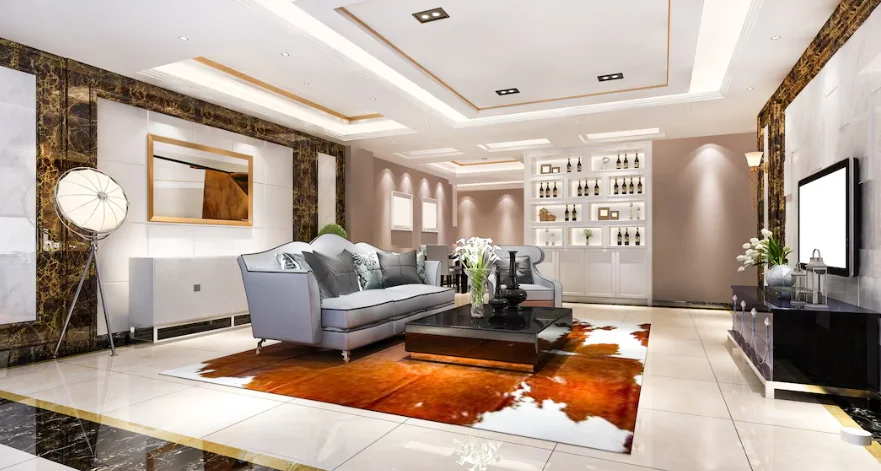
Interior Design
Overview
Job Growth
N/A
Duration
N/A
Avg. Salary
N/A
Career Paths
N/A
Program Description
Interior Design teaches how to plan, shape, and improve indoor spaces for comfort, safety, and beauty. Students study design principles, colour and lighting, materials and finishes, computer-aided design, building codes, sustainability, and project management. Practical work includes sketching, model making, CAD drawing, and site analysis. The program opens pathways to careers in interior design, architecture, urban planning, construction management, surveying, and environmental consultancy, as well as roles in furniture and product design. If you enjoy creative problem solving and working with people and places, this program gives you the technical skills and industry awareness to start a rewarding career in Ghana and beyond.
Aims & Objectives
Develop accurate space planning and sketching skills, producing measured drawings and room layouts.
Master CAD and 3D modelling workflows to create clear technical plans and visual presentations.
Understand sustainable design principles and Ghanaian building codes, and apply them to design solutions.
Create a professional portfolio and manage a small design project from brief to presentation.
Why Choose This Program?
High demand for skilled space planners
Growing construction and urban projects in Ghana need designers who can improve interiors for homes, offices, schools, and hotels.
Hands-on, creative and technical training
You learn both artistic design and practical building skills, making you employable in studios, construction firms, and consultancies.
Strong industry links and internship opportunities
Many programs connect students with local architects, contractors, and materials suppliers for site visits and placements.
Pathway to diverse careers
Skills transfer to architecture, urban planning, project management, surveying, and environmental consultancy roles.
Skills & Tools
Skills You'll Develop
Create accurate 2D plans and technical drawings using AutoCAD or similar tools for construction and documentation.
Use SketchUp, Revit, or BIM tools to visualise spaces, test materials, and coordinate designs with other professionals.
Select sustainable finishes and design for ventilation, daylighting, and energy efficiency appropriate to Ghanaian climates.
Measure spaces, read site constraints, and produce measured drawings that inform practical design decisions.
Tools & Resources
AutoCAD
SketchUp
Revit or other BIM tools
Adobe Photoshop or Illustrator
Challenges & Tips
Challenges
Balancing technical drawing and creative theory
Understanding local building codes and regulations
Tips & Advice
Set a weekly schedule practicing both CAD and freehand sketching, and seek feedback from tutors early.
Use local case studies and ask industry mentors about common regulatory requirements in Ghana.
Video Guide
Frequently Asked Questions
Ready to Apply?
Find programs that match your grades and interests - even if you haven't written WASSCE yet
Loading.. Please wait.

Talk to a Professional
Join a mentorship session with real professionals working in your field of interest.
 Real industry professionals
 Small groups (10-15 students)
 Starting at GH₵ 15 per session