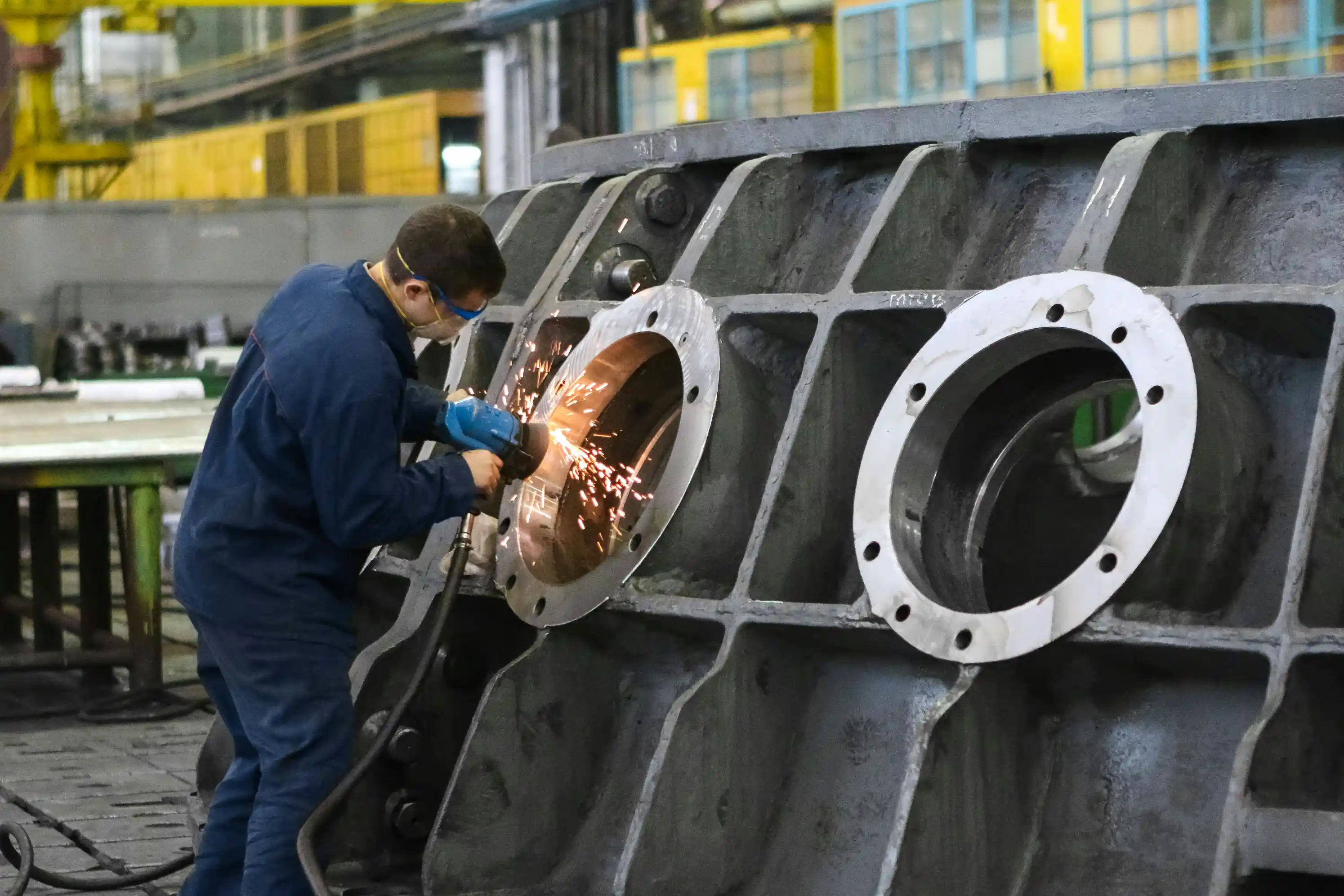
Mechanical and Industrial Engineering
Overview
Job Growth
N/A
Duration
N/A
Avg. Salary
N/A
Career Paths
N/A
Program Description
Mechanical and Industrial Engineering teaches you how to design, build, and maintain machines, production systems, and infrastructure. You will study mechanics, materials, manufacturing processes, thermodynamics, automation, control systems, mathematics, and basic programming. Practical work includes workshop practice, Computer-Aided Design, prototyping, and project-based assignments. The program leads to careers as mechanical engineer, industrial or production engineer, maintenance technician, automation specialist, or roles in electrical, software, and IT support. It prepares you for work in manufacturing, construction, energy, and technology companies in Ghana and abroad. If you enjoy solving technical problems, creating systems, and improving how things work, this program gives you hands-on skills and a strong foundation for further study or employment.
Aims & Objectives
Develop practical workshop and fabrication skills for building mechanical components and assemblies.
Master Computer-Aided Design to create accurate engineering drawings and 3D models.
Understand core principles of mechanics, materials, thermodynamics, and systems for sound engineering decisions.
Create basic automated and control solutions using programming, sensors, and controllers.
Apply project management methods and technical documentation to plan, execute, and report engineering projects.
Why Choose This Program?
High local demand
Ghanaian industries such as manufacturing, construction, energy, and mining need engineers for maintenance and expansion.
Hands-on learning
Strong emphasis on workshops, labs, and real projects helps you gain practical skills employers value.
Flexible career paths
Leads to roles in mechanical, industrial, electrical, software, and IT support, and supports entrepreneurship.
Industry connections
Opportunities for internships, apprenticeships, and partnerships with local companies and utilities build experience.
Future-ready skills
Focus on automation, CAD, and systems thinking prepares you for smart infrastructure and renewable energy trends.
Skills & Tools
Skills You'll Develop
Use SolidWorks or AutoCAD to draft 2D drawings and 3D models for manufacturing and assembly.
Write basic Python and PLC code to control motors, sensors, and automated production lines.
Apply algebra, calculus, and simulations using MATLAB for strength, heat transfer, and system behavior analysis.
Plan timelines, manage resources, and use tools like Gantt charts or MS Project to deliver engineering projects.
Produce clear specifications, bills of materials, maintenance manuals, and safety reports following standards.
Tools & Resources
SolidWorks or AutoCAD
MATLAB or Octave
Python and relevant libraries
Siemens TIA Portal or similar PLC software
Microsoft Office or equivalent for documentation
Challenges & Tips
Challenges
Difficulty with advanced mathematics and physics
Balancing theory and hands-on practice
Tips & Advice
Strengthen fundamentals with extra classes, study groups, and online tutorials focused on problem practice.
Schedule regular workshop sessions and apply classroom concepts to small practical projects.
Video Guide
Frequently Asked Questions
Ready to Apply?
Find programs that match your grades and interests - even if you haven't written WASSCE yet
Loading.. Please wait.

Talk to a Professional
Join a mentorship session with real professionals working in your field of interest.
 Real industry professionals
 Small groups (10-15 students)
 Starting at GH₵ 15 per session