Medical Imaging Technology
Overview
Job Growth
N/A
Duration
N/A
Avg. Salary
N/A
Career Paths
N/A
Program Description
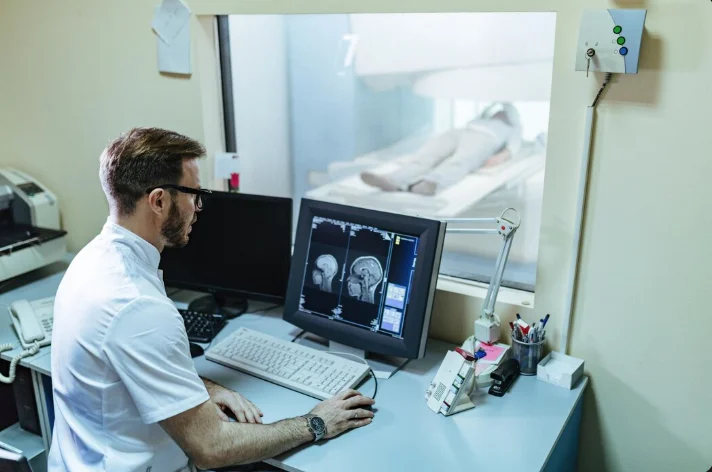
Medical Imaging Technology teaches students how to create and manage diagnostic images used to find and treat disease. You will study human anatomy, physiology, radiographic positioning, ultrasound principles, image quality, radiation safety, and patient care. Practical classes and clinical placements train you to operate X-ray, ultrasound, CT and basic MRI equipment, follow infection control, and keep accurate medical records. Graduates can work as radiographers, ultrasound technicians, CT or MRI assistants, imaging department attendants, or continue to study nursing, medical laboratory science, or physiotherapy. This program gives strong hands-on skills and opens doors to stable hospital, clinic, and diagnostic center jobs in Ghana and beyond.
Aims & Objectives
Develop safe competence in operating common imaging equipment and performing standard imaging procedures under supervision.
Master patient assessment, positioning and preparation to produce high quality diagnostic images.
Understand anatomy, physiology and pathology relevant to diagnostic imaging and image interpretation basics.
Create accurate clinical documentation, manage image records and follow radiation protection protocols.
Apply infection control, professional ethics and effective communication during clinical placements and patient care.
Why Choose This Program?
Strong job demand
Hospitals and clinics need trained imaging staff, creating steady employment locally and regionally.
Hands-on clinical training
Practical placements in radiology departments build real workplace skills and confidence.
Multiple career pathways
Leads to roles in radiography, sonography, CT/MRI assistance, and further study opportunities.
Tech-driven field
Work with modern imaging technologies, digital systems and learn skills transferrable to other health tech roles.
Direct patient impact
Play a vital role in diagnosis and treatment, improving patient outcomes and community health.
Skills & Tools
Skills You'll Develop
Operate digital X-ray systems, select exposure factors, and produce diagnostic images while limiting dose.
Perform basic abdominal, pelvic and obstetric scans, adjust transducer settings, and capture diagnostic images.
Understand CT and MRI principles, patient preparation, safety screening, and assist in cross-sectional imaging.
Apply ALARA principles, use shielding and monitoring, and document radiation exposure for patient safety.
Use Picture Archiving and Communication Systems, view DICOM images, manage image storage and retrieval.
Tools & Resources
PACS viewers
Radiology Information System (RIS)
DICOM viewing and editing tools
Image measurement and reporting software
Challenges & Tips
Challenges
Complex anatomy and technical subjects
Balancing theory and practical skills
Tips & Advice
Use visual aids, regular revision, study groups and seek help from tutors to master difficult topics.
Schedule lab practice sessions, simulate procedures and apply classroom learning during clinical placements.
Video Guide
Frequently Asked Questions
Ready to Apply?
Find programs that match your grades and interests - even if you haven't written WASSCE yet
Loading.. Please wait.

Talk to a Professional
Join a mentorship session with real professionals working in your field of interest.
 Real industry professionals
 Small groups (10-15 students)
 Starting at GH₵ 15 per session