Medicine
Overview
Job Growth
N/A
Duration
N/A
Avg. Salary
N/A
Career Paths
N/A
Program Description
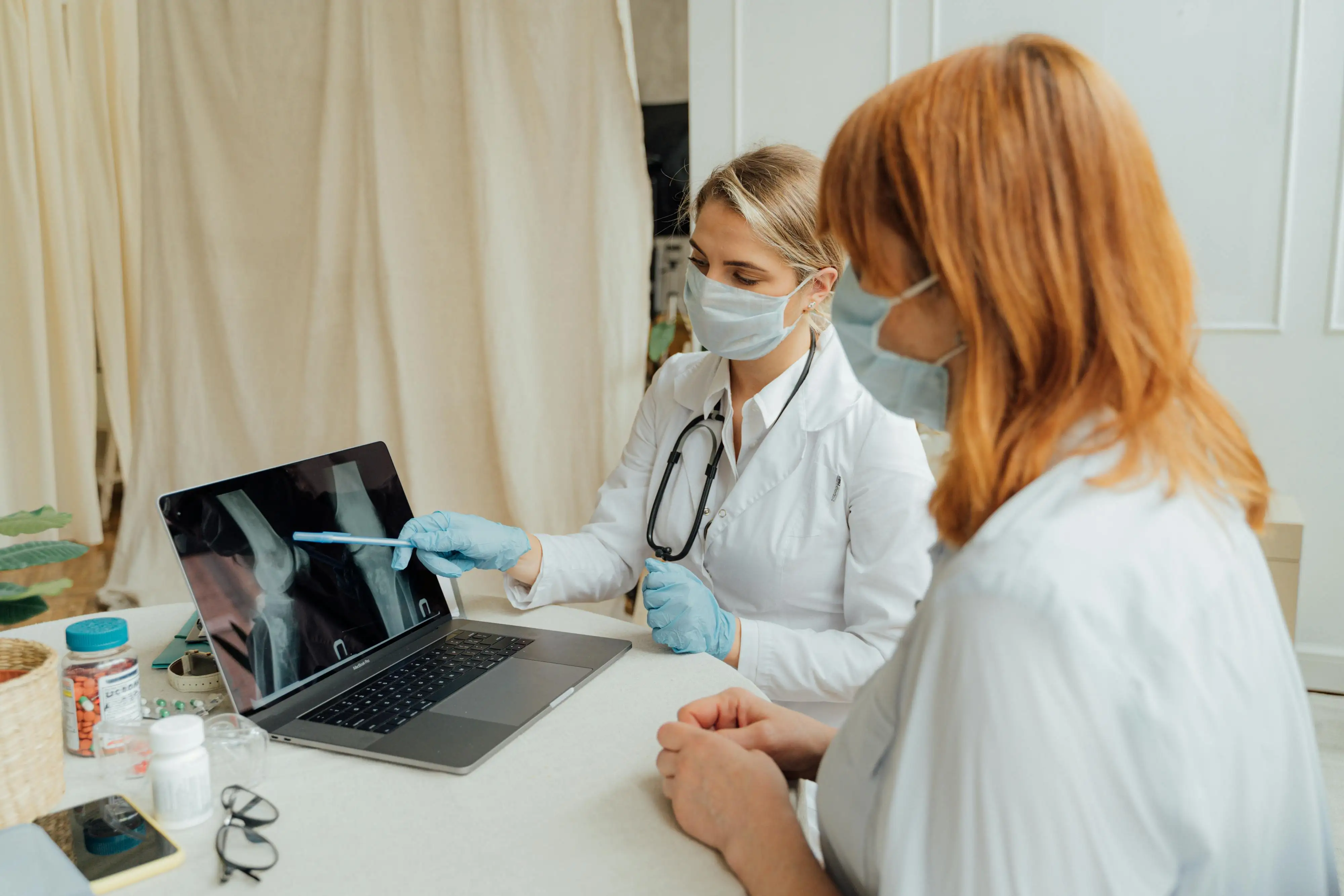
Medicine trains students to care for patients, diagnose illnesses, and apply medical science to improve health. In simple terms, you will study human anatomy, physiology, biochemistry, pathology, pharmacology, clinical skills, and community health. The program mixes classroom learning with hands-on clinical rotations in hospitals and clinics. Graduates can become medical doctors, clinical officers, medical researchers, public health officers, or move into healthcare administration and policy. This pathway builds strong practical skills in patient assessment, medical procedures, and disease prevention, and opens opportunities in hospitals, research centers, public health programs, and international health organizations. If you enjoy science, helping people, and solving health problems, Medicine offers a respected, high-impact career with many ways to grow and serve your community.
Aims & Objectives
Develop strong clinical assessment skills, including history taking and physical examination, measurable by successful clinical evaluations.
Master core biomedical knowledge in anatomy, physiology, biochemistry, and pharmacology, measured through exams and practical tests.
Understand disease prevention and public health principles, demonstrated by designing a community health project.
Create accurate medical documentation and treatment plans, evaluated through case write-ups during clinical rotations.
Apply infection control procedures and safe clinical practices, assessed by observed adherence in laboratory and ward settings.
Why Choose This Program?
High demand for health professionals
Healthcare roles are in steady demand in Ghana and globally, offering stable employment and community impact.
Diverse career pathways
Graduates can work as clinicians, researchers, public health officers, or move into healthcare management and policy.
Hands-on practical training
Clinical rotations and simulations give real patient-care experience, preparing you for work in hospitals and clinics.
Strong professional network
Programs connect students with teaching hospitals, Ghana Health Service placements, and internship opportunities.
Opportunity for lifelong learning
Medicine opens doors to specialization, postgraduate study, and roles in emerging fields like telemedicine and global health.
Skills & Tools
Skills You'll Develop
Learn systematic history taking, physical exams, and use of sphygmomanometers and pulse oximeters to assess patients.
Use microscopes, basic pathology tests, and point-of-care diagnostics to interpret blood films, urinalysis, and cultures.
Perform wound care, injections, IV insertion, and CPR following standard protocols and simulation training.
Use EHR platforms and spreadsheets to record patient data, manage appointments, and support clinical decision-making.
Apply PPE use, sterilization methods, and hospital hygiene protocols to reduce healthcare-associated infections.
Tools & Resources
Electronic Health Record systems (for example OpenMRS)
Statistical tools (SPSS, Excel)
Medical reference apps (Medscape, BMJ Best Practice)
Challenges & Tips
Challenges
Heavy and rigorous syllabus
High competition for university placement
Tips & Advice
Use structured study schedules, join study groups, and seek help from tutors early.
Aim for strong WASSCE/SSSCE and UTME scores, prepare for interviews, and apply to multiple institutions.
Video Guide
Frequently Asked Questions
Ready to Apply?
Find programs that match your grades and interests - even if you haven't written WASSCE yet
Loading.. Please wait.

Talk to a Professional
Join a mentorship session with real professionals working in your field of interest.
 Real industry professionals
 Small groups (10-15 students)
 Starting at GH₵ 15 per session