Natural Resources Management
Overview
Job Growth
N/A
Duration
N/A
Avg. Salary
N/A
Career Paths
N/A
Program Description
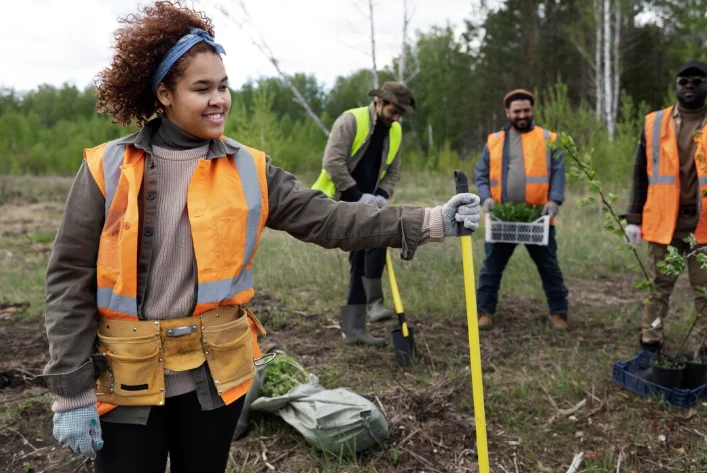
Natural Resources Management teaches how to care for land, water, forests, and crops so they remain productive and healthy. You will study soil science, crop management, ecology, agroforestry, water conservation, and environmental conservation principles. Practical lessons include soil testing, farm planning, pest and nutrient management, and basic environmental impact assessment. The program leads to careers as an agronomist, soil scientist, farm manager, conservation officer, or environmental scientist. Graduates work with farms, government, NGOs, and agribusiness, or continue to university studies. If you enjoy nature, practical work, and solving community challenges, this program opens doors to meaningful, hands on careers that support people and the environment.
Aims & Objectives
Develop practical skills in soil testing, crop management, and farm planning through hands on exercises.
Master sustainable farming practices and agroforestry techniques that increase productivity and protect ecosystems.
Understand principles of ecology, water management, and environmental conservation to make informed decisions.
Create basic environmental impact assessments and resource management plans for small farms and community projects.
Analyze field data using charts, spreadsheets, and simple GIS maps to support management decisions.
Why Choose This Program?
Strong Career Demand
Ghana needs trained resource managers for agriculture, forestry, and conservation, creating many job opportunities.
Practical, Hands On Learning
Much of the training is field based, giving you real skills you can use on farms and projects immediately.
Pathways to Further Study
Completing the program prepares you for university programs in agriculture, environmental science, and natural resource policy.
Local Industry Connections
Students can link with extension officers, local farms, NGOs, and agricultural colleges for internships and mentorship.
Impactful Work
You will learn to support sustainable food production, protect ecosystems, and improve community livelihoods.
Skills & Tools
Skills You'll Develop
Use field kits and simple lab methods to measure pH, nutrients, and soil texture to inform fertilizer and crop choices.
Apply integrated pest management, crop rotation, and nutrient management to improve yields sustainably.
Use QGIS and Google Earth for mapping fields, tracking land use, and planning resource management.
Carry out basic assessments to identify environmental risks and propose mitigation for farm and community projects.
Design surveys, collect field measurements, and analyze data using Excel or basic R functions for reporting.
Tools & Resources
QGIS
Google Earth
Microsoft Excel
R or SPSS for basic analysis
farm management apps such as FarmLogs or iCow
Challenges & Tips
Challenges
Strong science and math content
Balancing theory and fieldwork
Tips & Advice
Focus on building fundamentals in biology, chemistry, and math, and ask teachers for extra practice.
Plan study time around practical sessions, and review notes immediately after field activities to reinforce learning.
Video Guide
Frequently Asked Questions
Ready to Apply?
Find programs that match your grades and interests - even if you haven't written WASSCE yet
Loading.. Please wait.

Talk to a Professional
Join a mentorship session with real professionals working in your field of interest.
 Real industry professionals
 Small groups (10-15 students)
 Starting at GH₵ 15 per session