Public Health Nursing
Overview
Job Growth
N/A
Duration
N/A
Avg. Salary
N/A
Career Paths
N/A
Program Description
Public Health Nursing trains students to care for individuals, families, and communities to prevent disease and promote well being. You will study anatomy, physiology, microbiology, community health, epidemiology, maternal and child health, health promotion, and basic clinical skills. The program teaches patient assessment, infection control, health education, and how health systems work in Ghana. Graduates can work as registered nurses, public health officers, medical laboratory technicians, physiotherapists, or healthcare administrators, and can find roles in hospitals, clinics, community programs, and government health services. If you enjoy helping others, solving health problems, and learning both clinical and public health skills, this program offers practical training, strong job prospects, and opportunities to make a real difference in your community.
Aims & Objectives
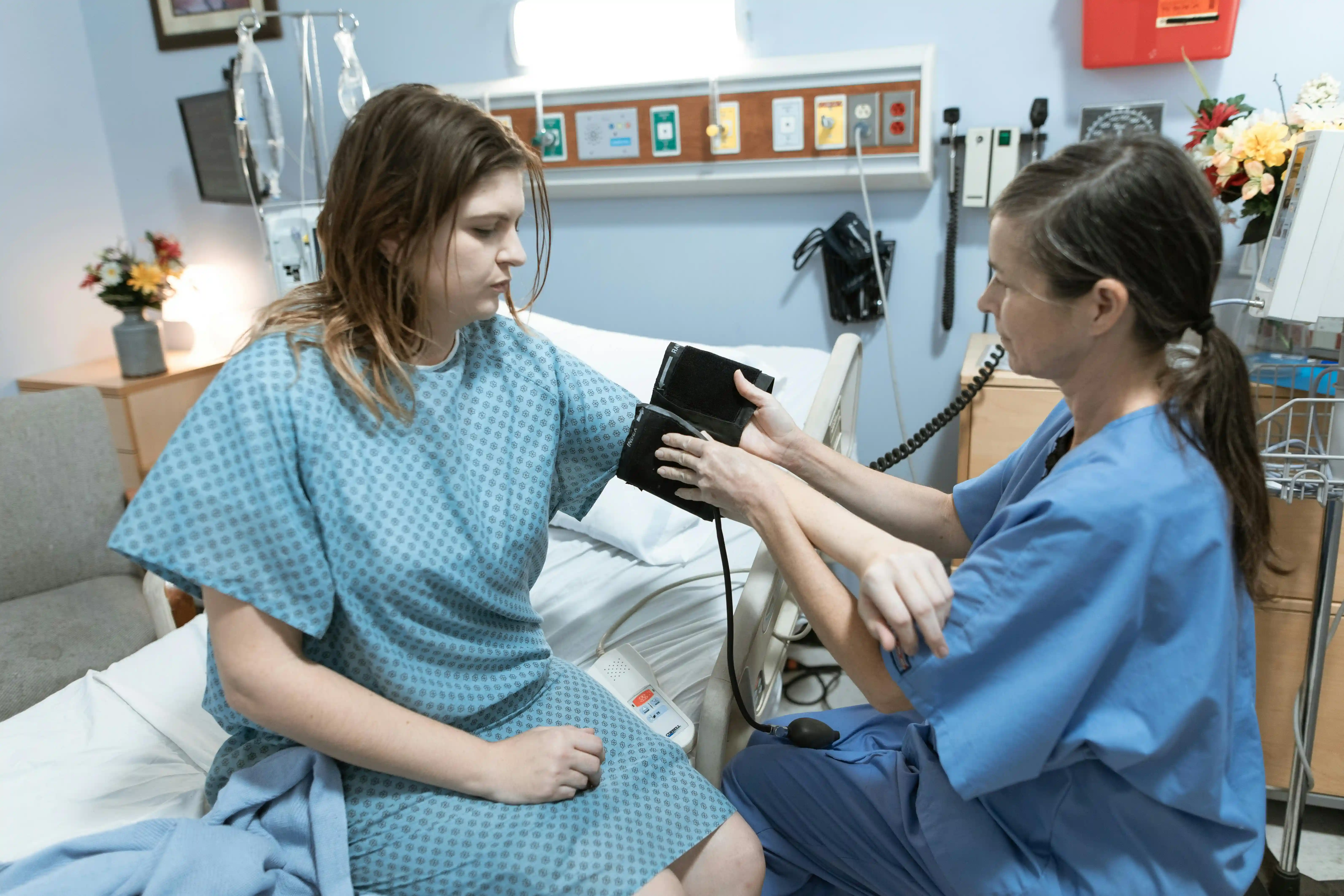
Develop accurate patient assessment and vital signs measurement skills through supervised clinical practice.
Master infection control procedures and safe handling of medical equipment to reduce healthcare associated infections.
Understand community health principles and basic epidemiology to plan and evaluate health promotion activities.
Create patient education materials and deliver clear health education sessions for diverse Ghanaian communities.
Perform precise medical documentation and use basic electronic health record tools for accurate data management.
Why Choose This Program?
Strong job demand
Graduates are needed in hospitals, clinics, public health programs, and government services across Ghana.
Make a community impact
You will prevent disease and improve health in families and communities, seeing real results from your work.
Hands on, practical training
Program includes clinical placements and simulation practice to build real skills you can use on day one.
Clear career pathways
Start as a nurse or public health officer, then progress to specialist roles or healthcare administration.
Industry connections and internships
Strong links with hospitals, the Ghana Health Service, and community clinics provide internship and mentoring opportunities.
Skills & Tools
Skills You'll Develop
Learn systematic history taking, physical examination, and accurate measurement of blood pressure, pulse, respiration, and temperature.
Operate basic devices such as glucometers, oxygen delivery equipment, suction machines, and portable ECGs safely and effectively.
Apply standard precautions, correct use of personal protective equipment, sterilization methods, and waste disposal protocols.
Record and analyse patient data, use electronic health record basics and national systems like DHIMS2 for reporting and tracking.
Complete patient charts, referral forms, immunization records, and routine public health surveillance reports accurately.
Tools & Resources
DHIMS2
OpenEMR or similar electronic health record
Microsoft Office or Google Workspace
Basic data analysis tools like Excel
Challenges & Tips
Challenges
Heavy theory and medical terminology.
Limited practical exposure early on.
Tips & Advice
Break study into short sessions, use flashcards for terms, and link theory to clinical practice.
Seek volunteer opportunities and extra practice sessions in skills labs or community clinics.
Video Guide
Frequently Asked Questions
Ready to Apply?
Find programs that match your grades and interests - even if you haven't written WASSCE yet
Loading.. Please wait.

Talk to a Professional
Join a mentorship session with real professionals working in your field of interest.
 Real industry professionals
 Small groups (10-15 students)
 Starting at GH₵ 15 per session