Sports Coaching
Overview
Job Growth
N/A
Duration
N/A
Avg. Salary
N/A
Career Paths
N/A
Program Description
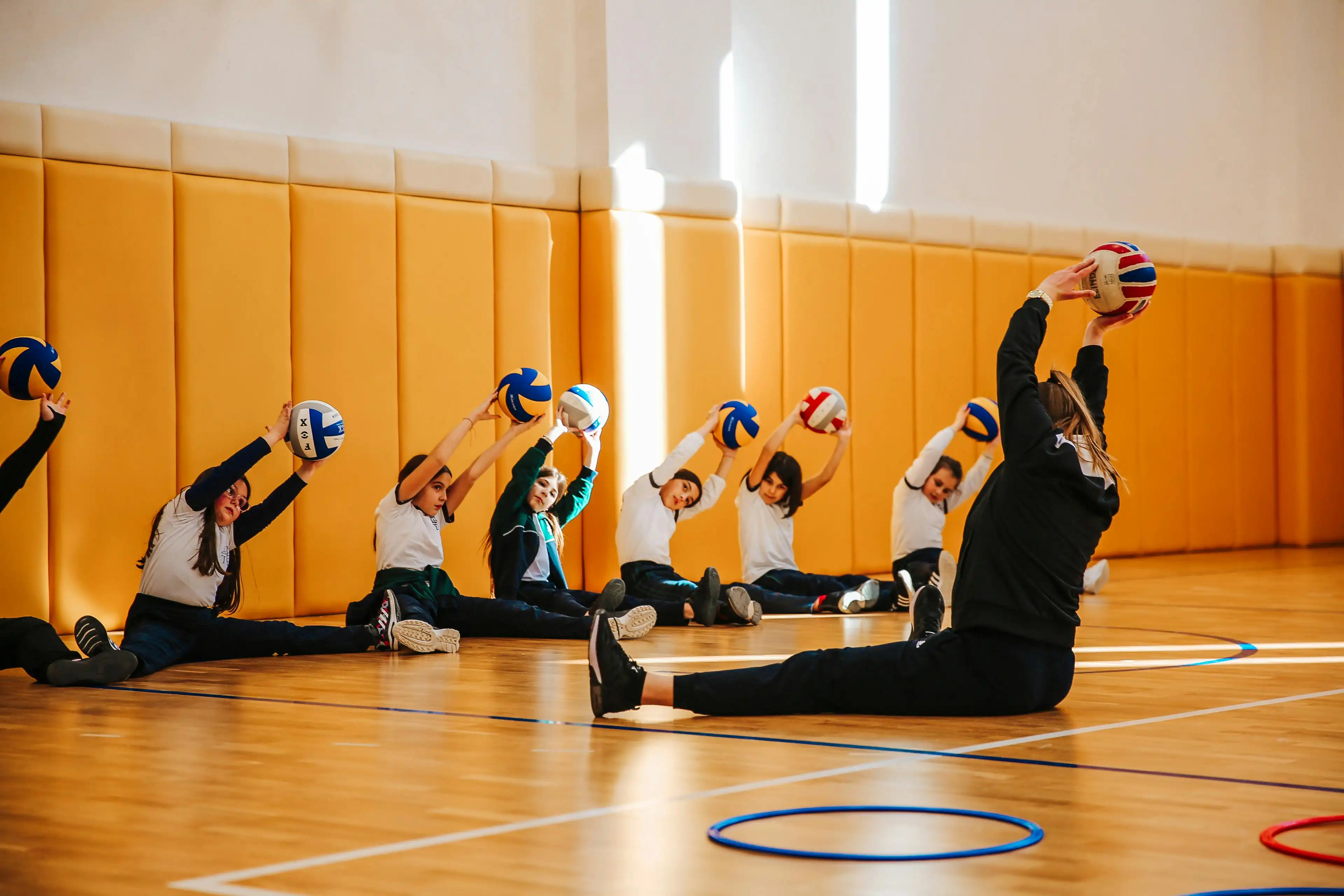
Sports Coaching in Health and Medical Sciences trains students to help athletes and patients improve performance, recover from injury, and stay healthy. You will study anatomy, physiology, sports medicine, first aid, exercise prescription, nutrition, biomechanics, and basic public health. Practical classes cover injury prevention, rehabilitation techniques, fitness testing, and coaching methods. Graduates can work as assistant coaches, fitness trainers, rehabilitation aides, or continue to professional roles such as physiotherapist, public health officer, or healthcare administrator with further study. This program is hands-on and community focused, preparing you for jobs in hospitals, sports clubs, schools, and wellness centres. If you enjoy sports and care about health, this course helps you turn that passion into a meaningful career.
Aims & Objectives
Develop practical assessment skills to evaluate fitness, injury risk, and basic clinical signs using standard tools.
Master first aid and acute care procedures for sports injuries, demonstrated in simulated practical exams.
Understand anatomy, physiology, and biomechanics to design effective, evidence based training and rehabilitation plans.
Create and deliver structured coaching sessions and exercise prescriptions tailored to individual needs, recorded in a portfolio.
Manage health records and basic data reporting, demonstrating accurate medical documentation and confidentiality practices.
Why Choose This Program?
Hands on learning
Practical labs, fieldwork, and simulations build real coaching and rehabilitation experience you can use on day one.
Strong health career links
Clear pathways to physiotherapy, public health, and healthcare administration with further training and certification.
High local demand
Schools, clubs, gyms, and clinics in Ghana are hiring qualified coaches and rehabilitation assistants to support sports and community health.
Internships and community placements
Work placements with hospitals, sports academies, and community health programs provide practical exposure and networking.
Transferable skills
Knowledge of anatomy, injury prevention, and health promotion applies across healthcare, fitness, and education sectors.
Skills & Tools
Skills You'll Develop
Learn to perform fitness tests, injury assessments, vital sign checks, and develop care plans using clinical protocols.
Apply evidence based rehabilitation techniques and design progressive exercise programs for recovery and performance.
Use tools like heart rate monitors, GPS trackers, video analysis (Kinovea, Dartfish) and spreadsheets to track athlete data.
Implement hygiene, wound care, and infection prevention measures in training and clinical environments.
Record clinical notes, maintain confidential health records, and use basic health data systems for reporting and referrals.
Tools & Resources
Kinovea or Dartfish for video analysis
Excel or Google Sheets for data tracking
Basic electronic medical record (EMR) systems
Fitness apps (Strava, TrainingPeaks)
Presentation and report software
Challenges & Tips
Challenges
Complex anatomy and physiology concepts
Balancing theory with practical assessments
Tips & Advice
Use visual aids, group study, and practical labs to reinforce learning, and seek help from tutors early.
Keep a skills log, practice regularly, and schedule study time after practical sessions to consolidate knowledge.
Video Guide
Frequently Asked Questions
Ready to Apply?
Find programs that match your grades and interests - even if you haven't written WASSCE yet
Loading.. Please wait.

Talk to a Professional
Join a mentorship session with real professionals working in your field of interest.
 Real industry professionals
 Small groups (10-15 students)
 Starting at GH₵ 15 per session