Textile Design and Technology
Overview
Job Growth
N/A
Duration
N/A
Avg. Salary
N/A
Career Paths
N/A
Program Description
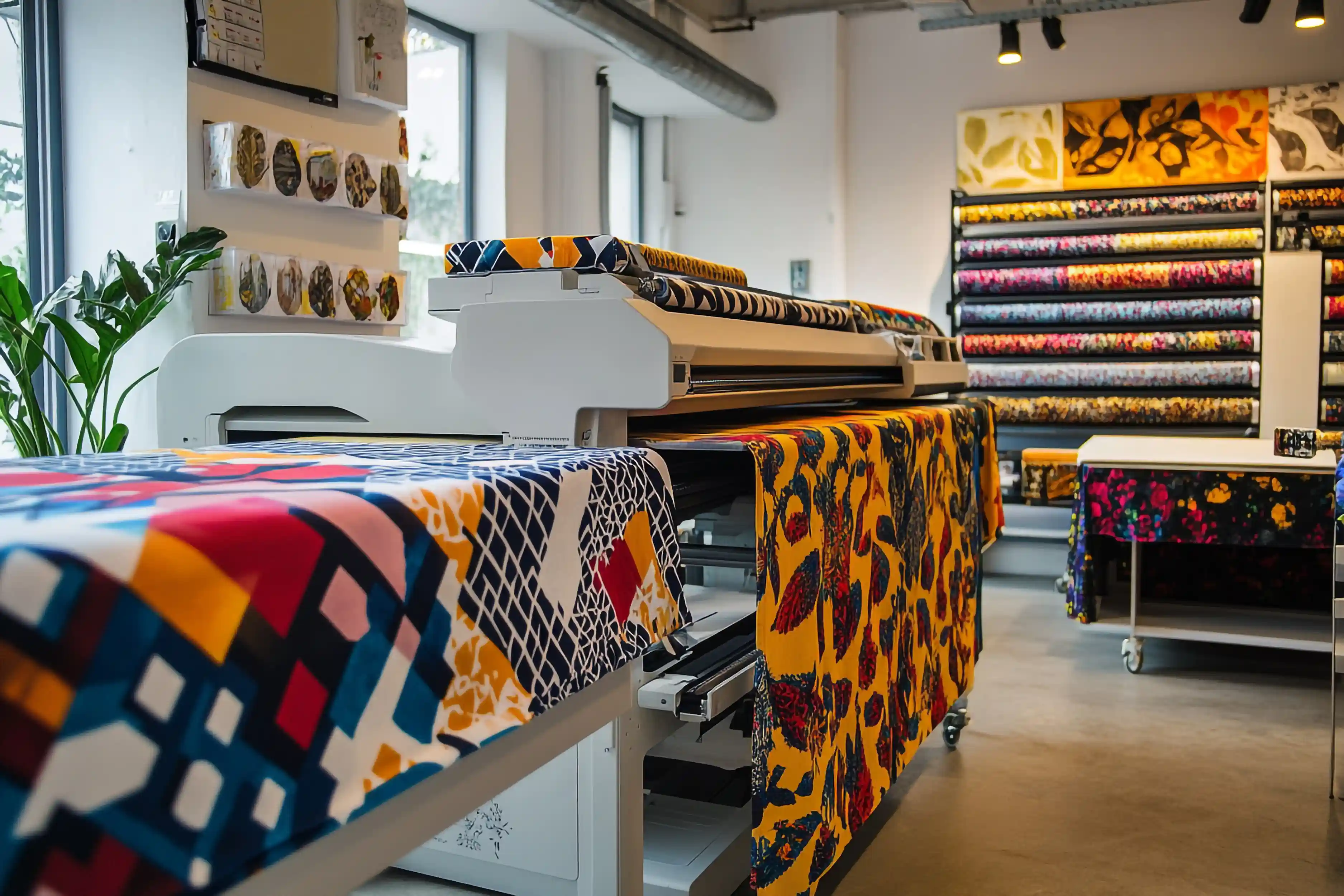
Textile Design and Technology teaches students how cloth is designed, made and used in culture. You will study fabric science, pattern-making, weaving, knitting, dyeing and surface design, plus sketching, digital design (Adobe tools), textile history and entrepreneurship. Lessons mix hands-on workshop practice with cultural studies so you learn both craft and context. Graduates can work as textile or fashion designers, production assistants, museum curators, art teachers, creative directors or start textile businesses for Ghana’s growing creative economy. This program builds creativity, practical skills and business sense — perfect if you love art, culture and making things that tell stories.
Aims & Objectives
Develop practical skills in fabric construction, pattern-making, dyeing and surface design through hands-on projects.
Master digital design tools (e.g., Adobe Photoshop and Illustrator) to create print-ready textile patterns and portfolios.
Understand the cultural, historical and economic roles of textiles in Ghana and global communities.
Create a professional portfolio and market-ready samples demonstrating technical skill and creative concept.
Apply entrepreneurship and production planning skills to prepare for internships, small-scale production or business startup.
Why Choose This Program?
Hands-on craftsmanship
Learn practical textile techniques in workshops so you graduate with real samples and usable skills.
Cultural relevance
Study Ghanaian and global textile traditions to create designs rooted in local identity and market demand.
Strong career pathways
Leads to jobs in design, education, museums, creative direction or starting your own textile brand.
Digital and industry-ready skills
Training combines manual craft with Adobe tools and digital printing knowledge used by employers.
Internships and industry links
Opportunities to connect with local textile producers, galleries, fashion houses and cultural institutions.
Skills & Tools
Skills You'll Develop
Use Photoshop and Illustrator to create repeat patterns, color separations and production-ready artwork.
Apply screen printing, batik, tie-dye and resist methods to produce surface designs and samples.
Draft patterns, cut fabrics and construct garments or textile products ready for sale or display.
Prepare digital files for fabric printing and use CAD tools to simulate repeat patterns and colorways.
Evaluate fibres, weave structures and fabric performance to select appropriate materials for projects.
Tools & Resources
Adobe Creative Suite (Photoshop, Illustrator, InDesign)
Canva
Final Cut Pro (for media presentations)
WordPress (for online portfolios)
Challenges & Tips
Challenges
Complex technical processes take time to master (weaving, pattern-making).
Balancing theory (history/culture) with studio work.
Tips & Advice
Practice regularly, break projects into stages and ask teachers for step-by-step demonstrations.
Link practical projects to research topics and create short reports that connect practice to context.
Video Guide
Frequently Asked Questions
Ready to Apply?
Find programs that match your grades and interests - even if you haven't written WASSCE yet
Loading.. Please wait.

Talk to a Professional
Join a mentorship session with real professionals working in your field of interest.
 Real industry professionals
 Small groups (10-15 students)
 Starting at GH₵ 15 per session