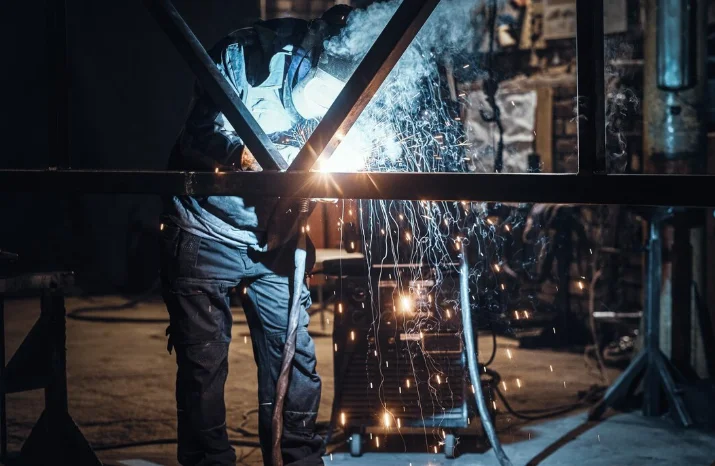
Welding and Fabrication
Overview
Job Growth
N/A
Duration
N/A
Avg. Salary
N/A
Career Paths
N/A
Program Description
Welding and Fabrication teaches students how to cut, shape, join, and finish metal to make structures, machines, and art. You will study welding processes, metal fabrication, blueprint reading, workshop practice, metallurgy, and safety. Hands-on workshops and theory classes prepare you for jobs as a welder, fabricator, maintenance technician, metal workshop assistant, or small business owner in construction, manufacturing, ship repair, and creative metalwork. The program builds practical skills you can use immediately, and creates pathways to apprenticeships, TVET certification, and further technical training. If you enjoy working with your hands and solving practical problems, this program can lead to steady employment and the chance to build your own business.
Aims & Objectives
Develop safe workshop habits and pass practical safety assessments using proper personal protective equipment and procedures.
Master common welding processes, including shielded metal arc welding and gas metal arc welding, to produce sound welds that meet basic quality criteria.
Read and interpret fabrication drawings, measure materials, and cut components to specified dimensions and tolerances.
Create and assemble simple metal structures and components using hand tools, power tools, and finishing techniques, meeting project specifications.
Why Choose This Program?
Strong local demand
Ghana has steady need for welders in construction, manufacturing, and repairs, giving graduates many entry-level job opportunities.
Hands-on learning and quick entry to work
Practical workshops let you build a portfolio of real projects, so you can secure apprenticeships, TVET certificates, or start a small fabrication business quickly.
Transferable and entrepreneurial skills
Skills you learn apply to many industries and creative trades, so you can move into maintenance, fabrication, or metal art and grow your own enterprise.
Pathways to certification and industry links
Training complements National TVET programs and local industry placements, helping you earn recognized credentials and contacts for employment.
Skills & Tools
Skills You'll Develop
Operate common processes such as shielded metal arc welding and gas metal arc welding to join steels and basic alloys for structural and repair work.
Cut, shape, fit and assemble metal parts using hand tools, angle grinders, cutting torches, and clamps to make frames, supports, and components.
Interpret basic fabrication drawings and welding symbols, use measuring tools and layout methods to cut and assemble parts to specifications.
Apply safety standards, use PPE correctly, and perform routine maintenance on welding machines, torches and accessories to ensure safe, reliable operation.
Tools & Resources
AutoCAD or basic CAD viewers for reading drawings
Welding symbol reference apps and calculators
Challenges & Tips
Challenges
Understanding metallurgy and heat effects on metal
Tips & Advice
Attend demonstrations, revise simple theory after practical sessions, and ask instructors for hands-on examples that link theory to practice.
Video Guide
Frequently Asked Questions
Ready to Apply?
Find programs that match your grades and interests - even if you haven't written WASSCE yet
Loading.. Please wait.

Talk to a Professional
Join a mentorship session with real professionals working in your field of interest.
 Real industry professionals
 Small groups (10-15 students)
 Starting at GH₵ 15 per session